travel-decisions
Is Tokyo Worth Choosing for a Short 2 to 3 Day Trip?
A friction-first decision guide for travelers weighing whether Tokyo fits a tight 2 to 3 day window, with tradeoffs, alternatives, and a pre-booking checklist.

Quick Verdict
Tokyo is worth a 2 to 3 day trip only if you accept it as a sampler, not a tour of the city.
Choose Tokyo for a short window if you are flying in for another reason (a connection, a longer Japan itinerary, a work trip), if you are a first-timer who just wants to feel the scale of the city, or if you are a couple who can commit to one or two districts without fear of missing the rest.
Skip Tokyo at this length if you are coming from far enough away that jet lag will eat a full day, if your wish list already includes Mount Fuji, Kyoto, or a teamLab visit plus three neighborhoods, or if "seeing Tokyo properly" is the emotional point of the trip. In those cases, 2 to 3 days will register as a missed opportunity rather than a trip.
The honest framing: Tokyo rewards depth, and a short visit forces you to pick a slice. The regret risk is not Tokyo itself. It is trying to treat 2 or 3 days like 5.
The Main Friction Problem
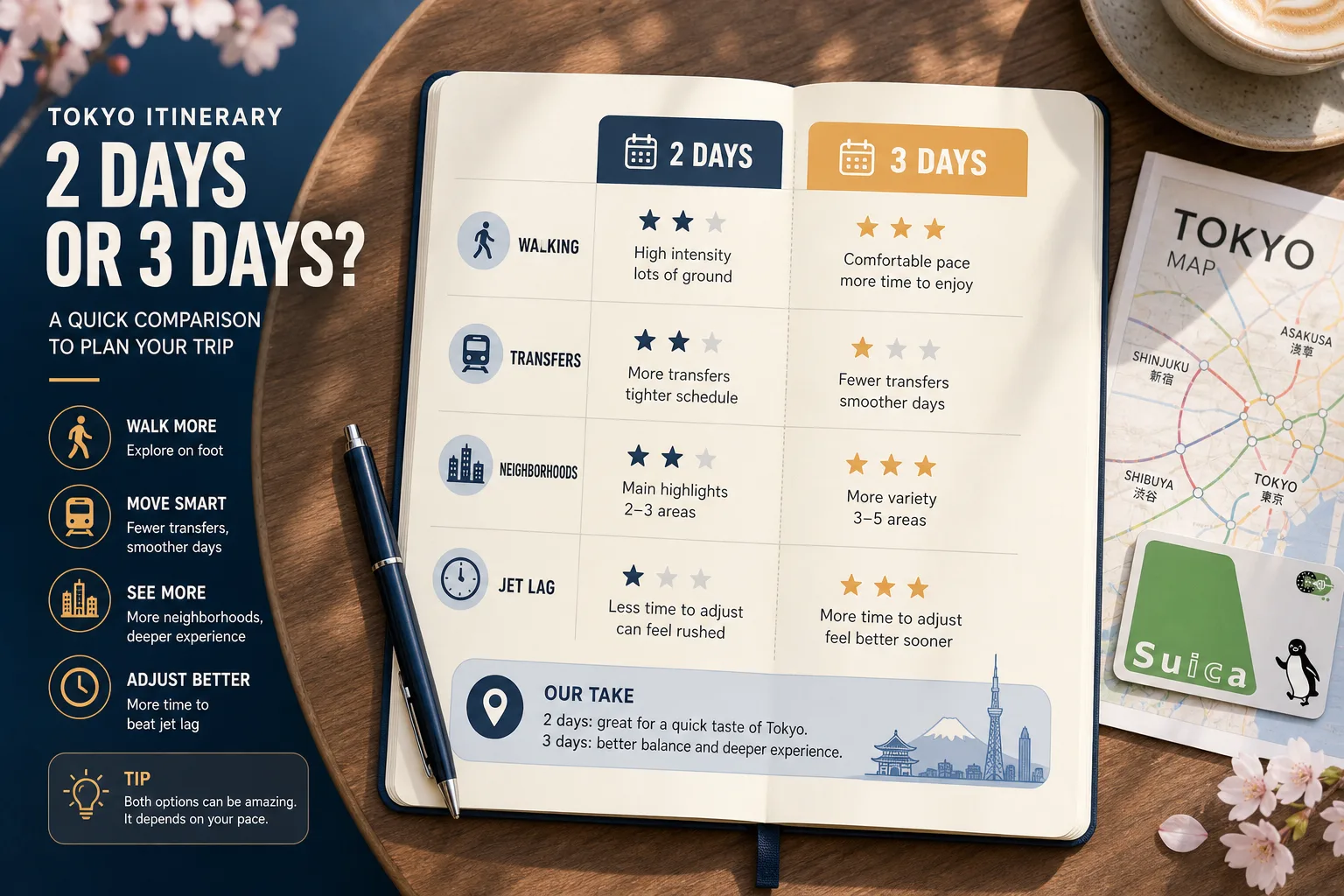
The friction in a short Tokyo trip is not language or safety. It is time compression colliding with a city built at continental scale.
Four pressures stack on top of each other.
First, time compression. A 2 day trip with one travel day on each side is effectively one full day of touring. A 3 day trip with jet lag and a late arrival is closer to two. Most regret comes from planning as if all hours are usable.
Second, walking fatigue. Sightseeing days in Tokyo commonly average 10 to 13 miles, roughly 16 to 21 km, and over 20,000 steps. That is fine across a week. Across two consecutive days with no rest buffer, it determines whether day three is enjoyable or a recovery day.
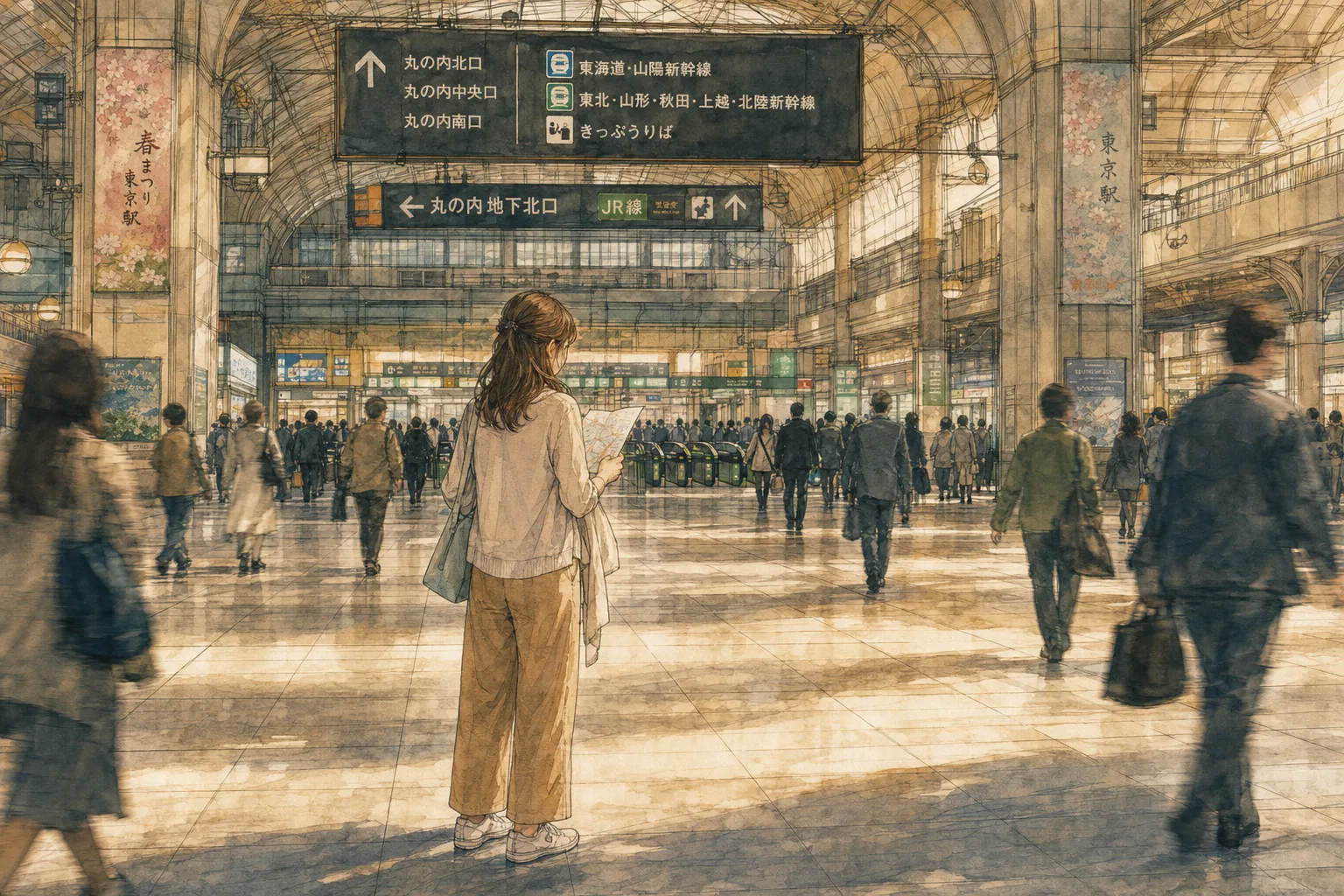
Third, transit inefficiency. The trains are punctual, but the geometry is not forgiving. Walking from Shinjuku Station to Shibuya Station is about 3.5 km and 45 to 60 minutes on foot. Major hubs like Shinjuku, Tokyo, and Shibuya can require a 10 to 15 minute walk inside the station just to reach another line's platform. On a short trip, two bad transfers can cost you a meal slot.
Fourth, itinerary regret. Tokyo offers more good options than any short trip can hold. The risk is not picking the wrong thing. It is picking too many right things and arriving at none of them in good condition.
Friction Table
This is how the same trip reads at 2 days versus 3 days.
| Friction | 2 day trip | 3 day trip | What it actually costs you |
|---|---|---|---|
| Usable touring time | About 1 to 1.5 days after travel and jet lag | About 2 to 2.5 days | Whether you can do both a daytime and an evening district |
| Walking load | One heavy day, one moderate | Two heavy days plus one lighter | Sore feet on departure day, or not |
| Neighborhoods covered well | 1 to 2 | 2 to 3 | Whether Asakusa or Ginza makes the cut |
| Major art venues (teamLab Planets, teamLab Borderless) | Pick one, with timed entry | Realistic to fit one without rearranging the day | The art piece you came for, or skipping it |
| Day trip viability (Hakone, Nikko, Kamakura) | No | Marginal, costs a full Tokyo day | Choosing between Tokyo and not-Tokyo |
| Sleep and pacing | One late night maximum | One late night and one early morning possible | Whether food districts at night are realistic |
Notice that 3 days is not 50 percent more trip than 2. In practice it is closer to double, because the second usable day is when you stop reacting to the city and start choosing inside it.
Who Will Feel It Most
Some travelers absorb the compression. Others feel every minute of it.
Travelers who tend to do fine on 2 to 3 days:
- Repeat visitors who already know which neighborhood they are anchoring to.
- Layover travelers and business travelers who treat Tokyo as a bonus, not the trip.
- Couples or solo travelers who pre-commit to a tight geographic radius (for example, only Shibuya, Harajuku, and Omotesando).
- Style and food-led travelers who want one strong evening rather than full coverage.
Travelers who tend to regret it:
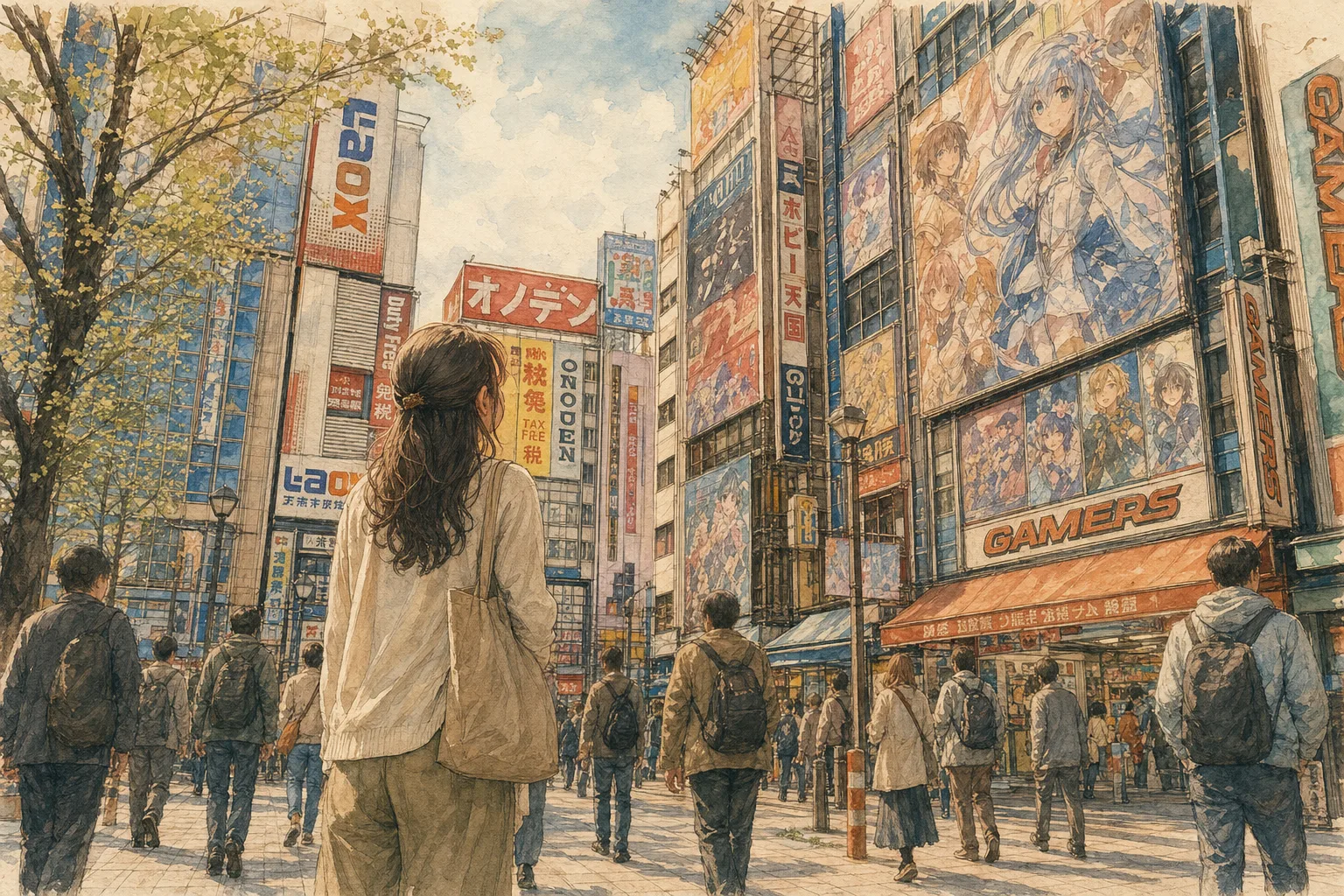
- First-timers carrying a long mental list of landmarks from social media.
- Travelers flying long-haul into a 2 night window, since the body clock will not cooperate.
- Families with strollers or anyone walking-sensitive, because the transit hub walks are not optional.
- Travelers who want Tokyo plus a Fuji or Kyoto day trip in the same window.
If you recognize yourself in the second list, the issue is not whether Tokyo is good. It is that your wish list is longer than your calendar.
How to Reduce the Friction
You can defuse most of the regret risk with planning choices made before you book.
Cut time compression. Treat the arrival day as zero. Book a hotel near a single hub station, not a cheap room in an outer ward that adds 40 minutes of transit per direction. On a 2 day trip, accept that you have one tour day and one half day, and write the itinerary that way.
Cut walking fatigue. Cluster activities by district. Shibuya to Harajuku is only about 1.2 to 1.6 km and roughly 20 minutes on foot, which is the kind of pairing that works. Shinjuku to Shibuya on foot is not. Build at least one cafe stop or sit-down meal into each half-day instead of stacking sights.
Cut transit inefficiency. Get a Suica or PASMO card on arrival; unrestricted physical card sales resumed on March 1, 2025, and JR East released the Welcome Suica Mobile app on March 6, 2025. The PASMO Passport tourist card was discontinued in 2024, so do not plan around it. Note that short-distance fares (1 to 3 km) on lines including the Yamanote Line went up by 10 yen in March 2025. The amounts are small, but having the card preloaded matters more than the fare itself. Magnetic stripe paper tickets are scheduled to begin phasing out from the end of the 2026 financial year, so card-based travel is the safer default.
Cut itinerary regret. Pick one signature experience and book it first. If that is teamLab Planets in Toyosu, note it has officially extended operation to the end of 2027, so the pressure is on time-slot booking, not on the year. If it is teamLab Borderless, it sits permanently inside the Azabudai Hills complex, which pairs cleanly with a central Tokyo day. Reserve the slot, then build the rest of the day around it instead of the reverse.
Better Alternatives if Tokyo Is the Wrong Fit
If the friction list above sounds like your trip, here are honest alternatives.
- Kyoto for 3 days. Smaller footprint, walkable historic districts, more visible cultural payoff per hour for first-timers who want "Japan" rather than "a megacity."
- Osaka for 2 to 3 days. Lower walking density than Tokyo, food-led, easier to feel like you saw the city in one evening.
- Hakone or Nikko as a base, with one Tokyo night attached. Better if a hot spring or Mount Fuji view is the emotional anchor of the trip.
- Seoul or Taipei on a similar flight budget. Both cities are more forgiving on a 2 to 3 day window because their core districts sit closer together.
- Wait and book Tokyo properly later. A 5 to 7 day Tokyo trip is a completely different experience, and there is no rule that says you must use this window for it.
The point is not that Tokyo is too hard. It is that a short trip rewards cities whose best parts are close together, and Tokyo's best parts are not.
Decision Checklist
Run this before you book. If you cannot answer yes to most of these, reconsider the length or the destination.
- I have at least 2 full nights, not counting arrival evening.
- I am willing to anchor in one or two neighborhoods and skip the rest without guilt.
- My flight does not arrive late on day one of a 2 day plan.
- I have a hotel within a 10 minute walk of a major hub station.
- I have picked one signature experience and am willing to book a timed slot.
- I have removed any full-day side trip (Fuji, Hakone, Nikko, Kyoto) from a 3 day plan.
- I can walk 15,000 to 20,000 steps two days in a row, or I have planned a slower day.
- I have a transit card sorted (Suica, PASMO, or Welcome Suica Mobile) before my first morning.
- I have accepted that I will miss things, and I am okay coming back.
If three or more of these are no, the regret risk is high enough that another destination or a longer Tokyo trip is the better choice.
FAQ
Is 2 days actually enough for Tokyo if I have never been? Two days is enough to see one defined slice of Tokyo, such as Shibuya, Harajuku, and a single evening district, but not enough to feel you have covered the city. First-timers who try to add Asakusa, teamLab, and a day trip on top usually regret it. Treat 2 days as a sampler, not a highlights tour.
Does jet lag from a long flight ruin a 2 to 3 day Tokyo trip? If you are arriving from North America or Europe, plan to lose most of day one to a haze. That is the single strongest argument for 3 days over 2. With only 2 nights, your usable touring time may shrink to roughly a day and a half.
Should I do a Mount Fuji or Hakone day trip on a 3 day itinerary? Usually no. A full day trip out of the city on a 3 day visit means you experience neither Tokyo nor the destination at a relaxed pace. If a side trip matters more than Tokyo itself, consider basing yourself in Hakone or Kyoto instead and treating Tokyo as a 1 night bookend.
Is Tokyo transit hard to figure out for such a short stay? The trains run well, but major hubs like Shinjuku, Tokyo, and Shibuya can require a 10 to 15 minute walk inside the station just to reach a different line's platform. Physical Suica and PASMO cards returned to unrestricted sale on March 1, 2025, and JR East released a Welcome Suica Mobile app on March 6, 2025, both of which remove most ticket friction for short visits.
Are crowds a real problem on a 2 to 3 day trip? Yes, especially in spring. Japan recorded 42.7 million international visitors in 2025, and Shibuya, Asakusa, and headline art venues now run near capacity. On a short trip you do not have the slack to come back tomorrow, so booking timed-entry slots in advance matters more than it would on a longer stay.