travel-decisions
Is Tokyo Worth It If You Travel for Atmosphere, Not Checklists?
A traveler-fit guide for atmosphere-first visitors deciding whether Tokyo rewards mood, texture, and wandering more than a sightseeing list.
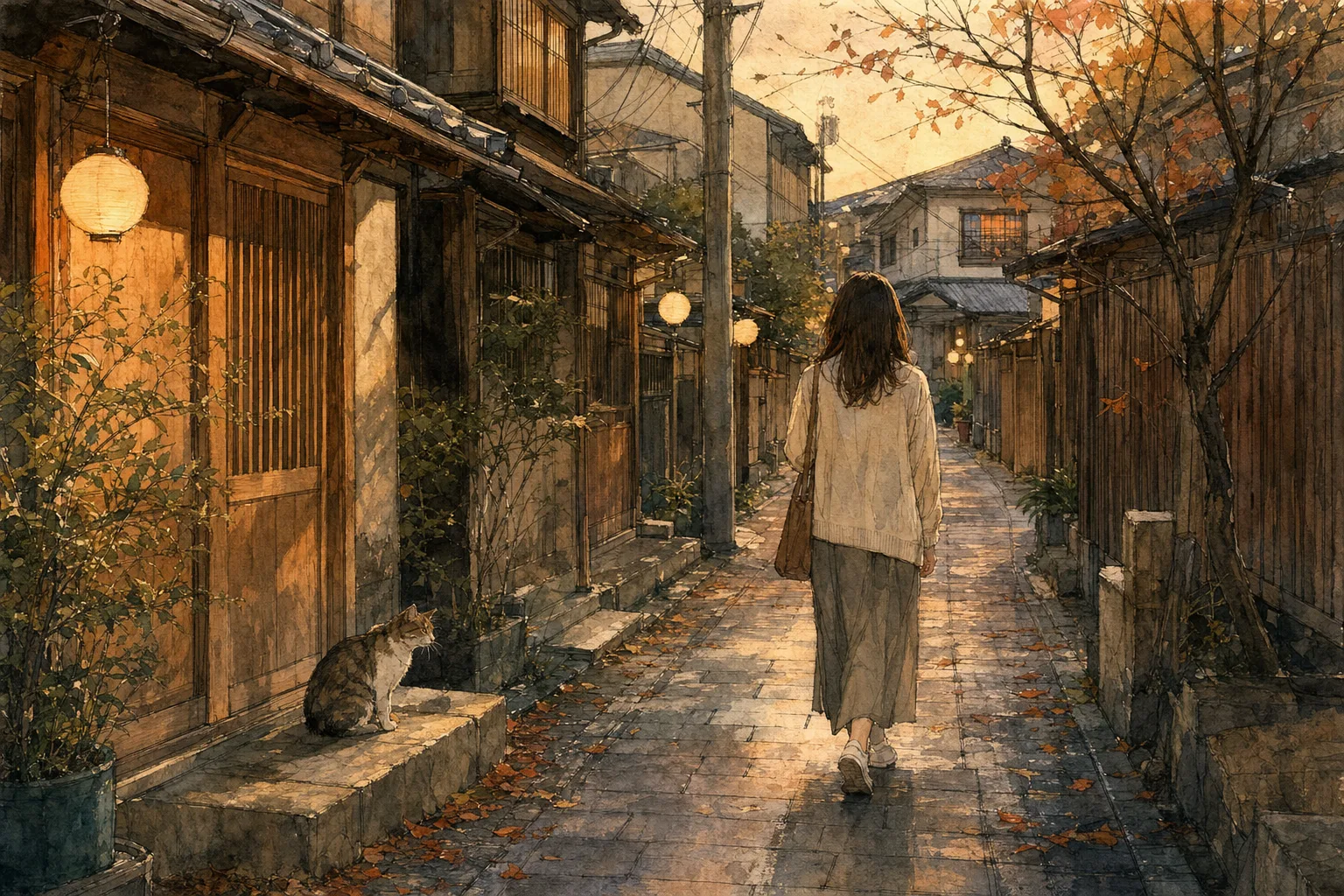
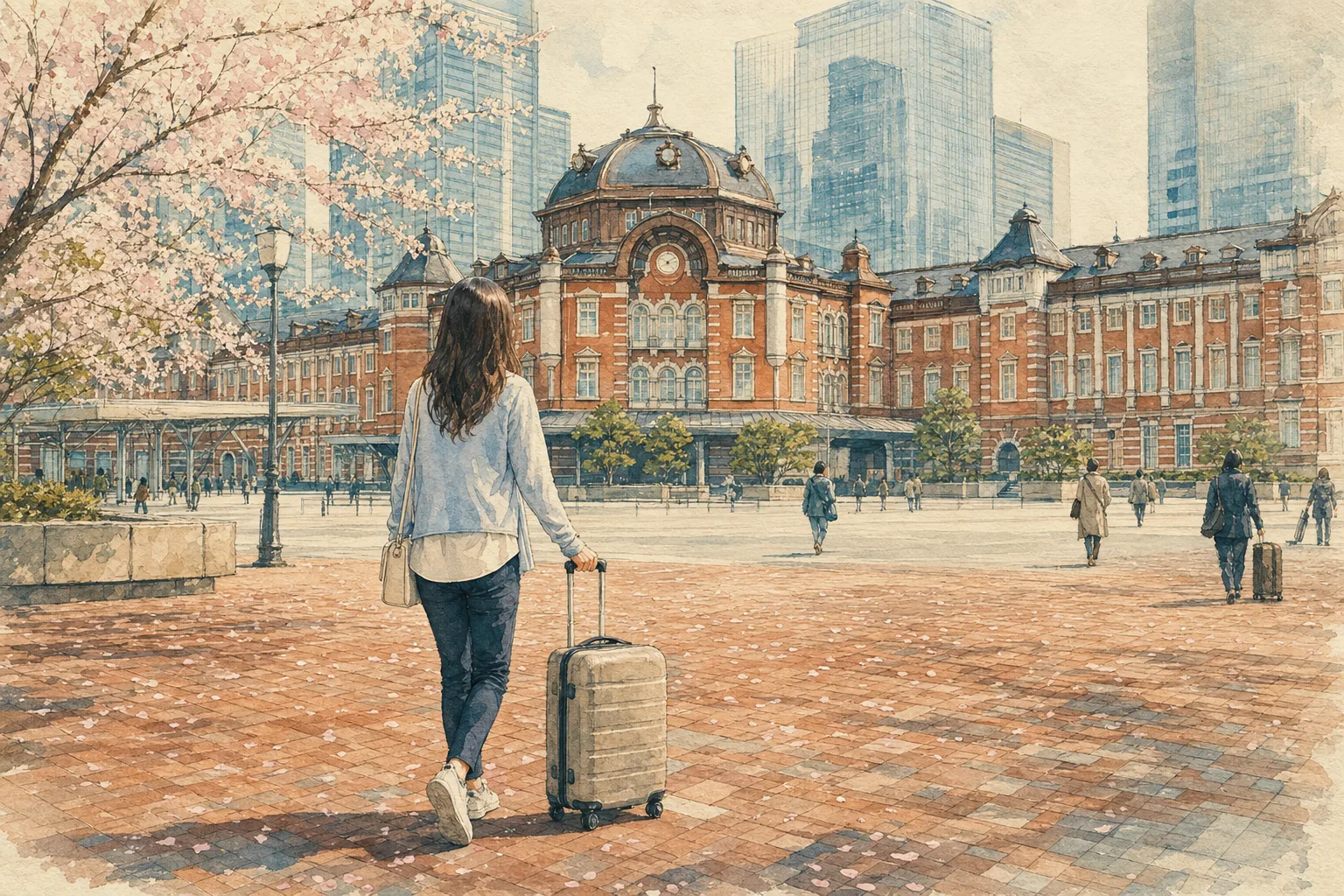
Tokyo gets sold as a checklist city: Shibuya Crossing, Senso-ji, teamLab, Tokyo Tower, repeat. That framing is what makes atmosphere-first travelers nervous. If you care more about how a street feels at 7pm than how famous it is at noon, the real question is whether Tokyo will reward your style or quietly grind you down.
Short version: it rewards you, but only if you plan the trip by mood instead of by sight.
Quick Verdict
Strong fit if you are willing to choose two or three neighborhoods per day, walk them slowly, and skip the headline landmarks that everyone else is photographing. Tokyo's atmosphere lives in residential alleys, narrow stairways, tiny bars, and shopping streets that have nothing to do with the famous skyline.
Weak fit if you expect Tokyo to feel like one consistent romantic vibe (it doesn't, the moods are spread across districts), or if your travel partner needs to tick off the top ten sights to feel the trip "counted." That mismatch is the single biggest source of atmosphere-first regret here.
Verdict: Yes, Tokyo is worth it for atmosphere-first travelers, but only with a district-based plan and at least five days on the ground.
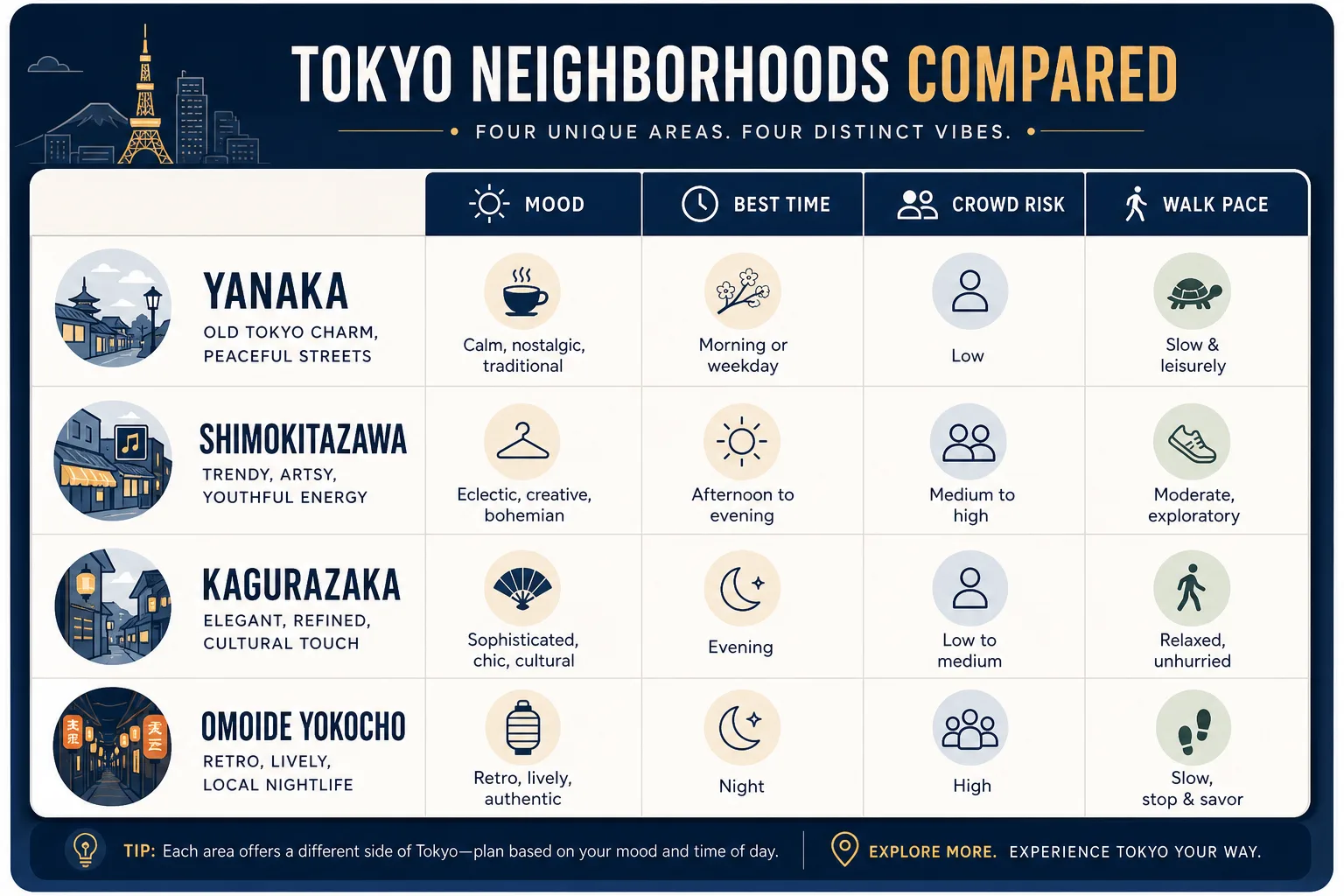 An infographic comparing Tokyo neighborhoods Yanaka, Shimokitazawa, Kagurazaka, and Omoide Yokocho across mood, best visiting time, crowd risk, and walking pace.
Best for First-Time Visitors Who Don't Want a Checklist
First-time atmosphere-first travelers usually arrive with a list they secretly resent. The fix is to give yourself permission to skip about half of it before you land.
A workable first-visit shape:
- One half-day in a famous area at off-hours (Asakusa before 9am, or Shibuya after 22:00).
- Three or four half-days in residential or alley-led districts (Yanaka, Kagurazaka, Shimokitazawa, Koenji).
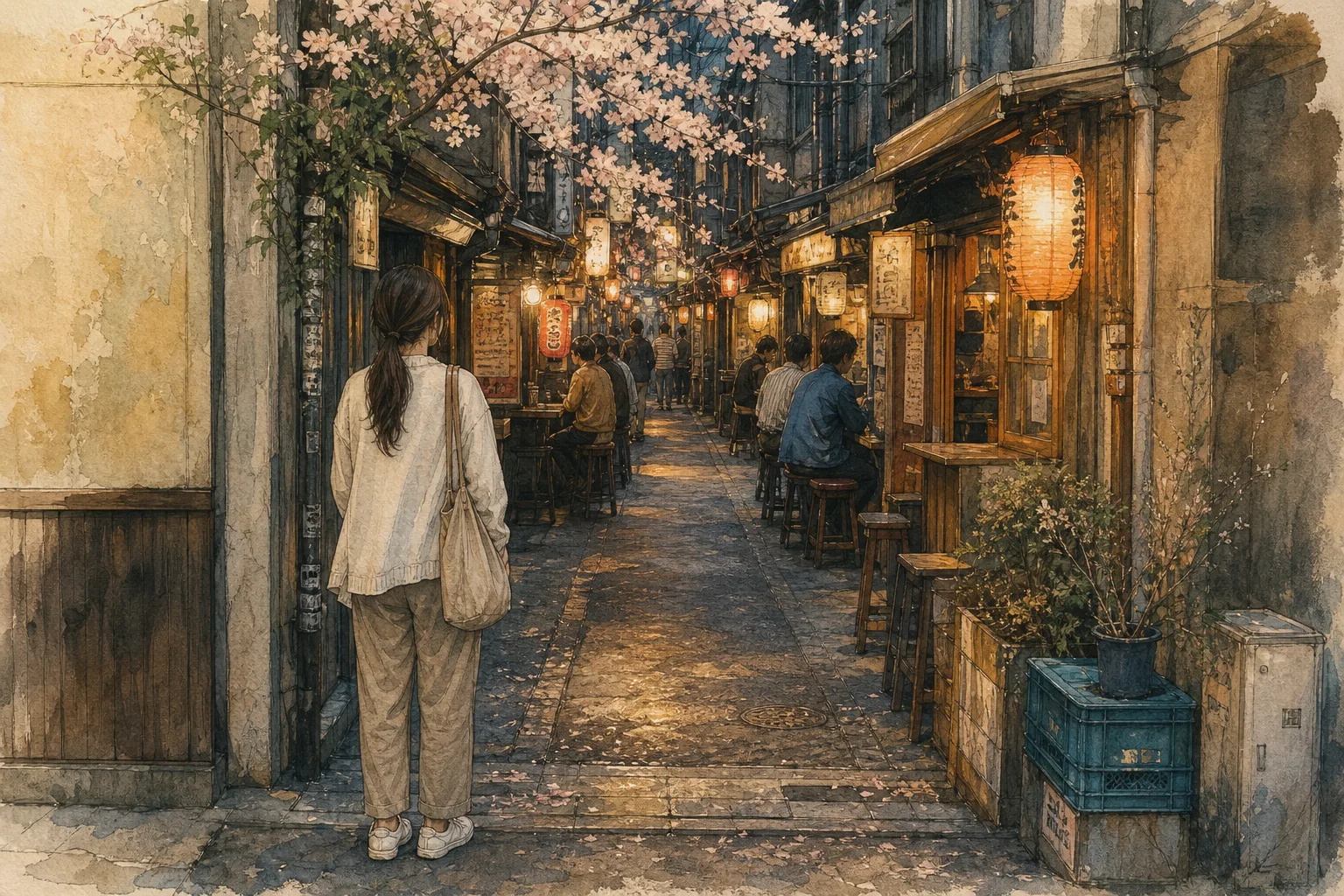
- One evening in a dense, sensory pocket like Omoide Yokocho or Golden Gai for texture, not for dinner economics.
This shape gives you "I saw Tokyo" coverage for friends back home while spending most of your hours in places that actually match how you travel.
Best for Couples Traveling on Mood
Couples who travel for atmosphere usually do best when the day has one shared anchor and a lot of unstructured walking around it. Tokyo supports that well because most atmospheric districts are walkable end to end in 30 to 60 minutes.
Strong couple-mood pairings:
- Kagurazaka in the early evening for narrow stone-paved lanes and small French and Japanese bistros, then a direct Tozai Line ride to Kichijoji for late-night Inokashira Park air (about 24 to 27 minutes door to door).
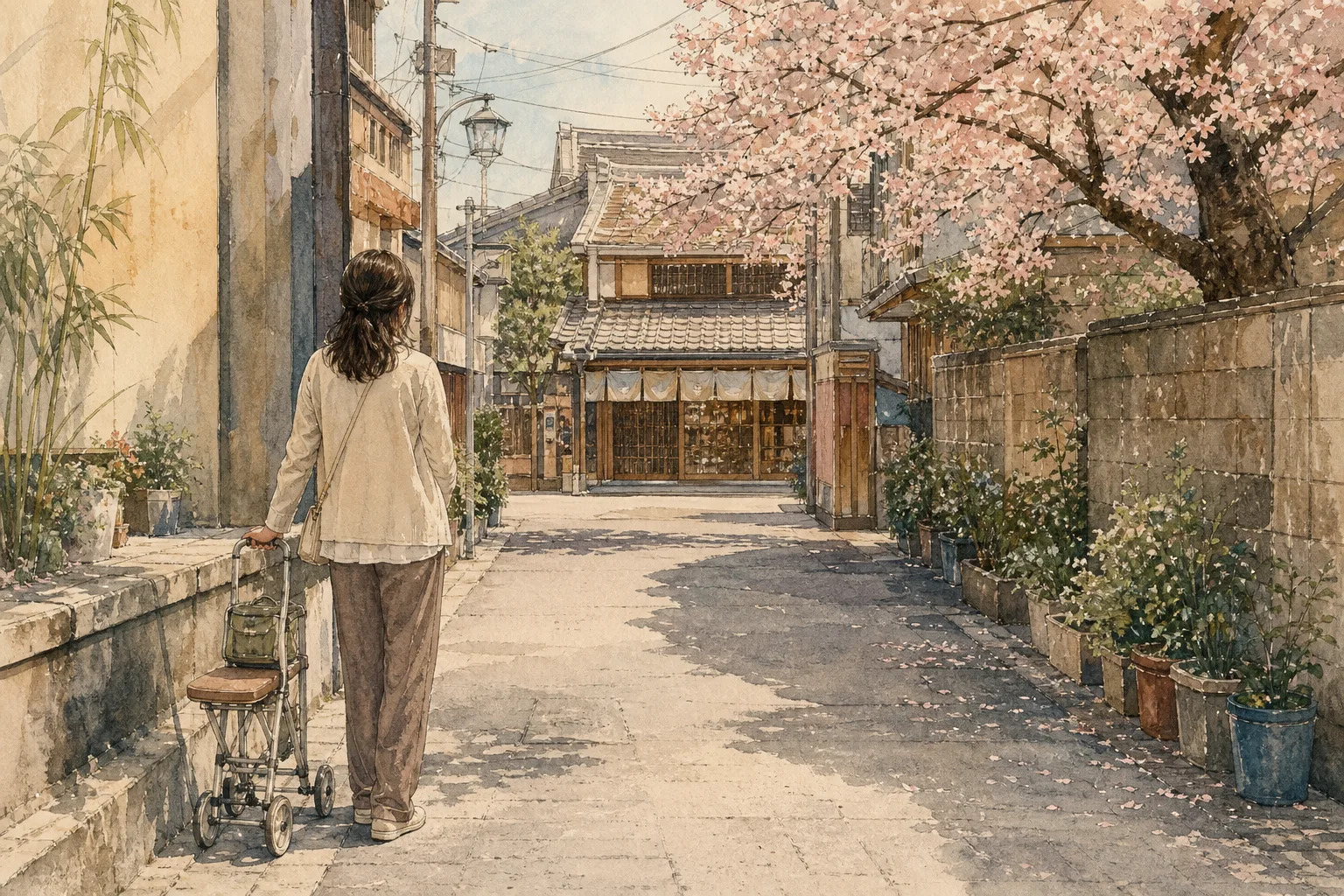
- Yanaka in the late morning for old-town streets and the cat-heavy back alleys, walking out via Nezu Station (15 to 20 minutes on foot from Ueno Park).
- Shimokitazawa for vintage shops and slow coffee in the afternoon, ending in a small live house at night.
The friction to plan around: do not try to combine two distant moods in one evening. Shimokitazawa to Yanaka is roughly 16 km and 28 to 30 minutes with a Shinjuku or Chiyoda Line transfer, which is fine once but exhausting if you stack it.
Best for Slow Travelers
Slow travelers are Tokyo's best-fit audience for atmosphere, full stop. The city rewards repetition: the same Yanaka street at 11:00 and at 17:00 is two different places, and you only notice that if you slow down enough to revisit.
A slow-traveler week in Tokyo looks like:
- Base in one neighborhood for the whole stay (not a different hotel every two nights).
- One district per day, with a no-second-district rule unless they are adjacent.
- One full rest day in the middle, ideally a weekday, spent within walking distance of the hotel.
This is also the shape that protects your budget. Mid-range 3 to 4 star hotels in Tokyo average around 25,000 yen per night, and booking one base for seven nights tends to unlock better rates than splitting the stay.
Best for Low-Stress Travelers
Low-stress travelers should be honest about Tokyo's two stress sources: transit complexity and crowd density at famous spots. Both are solvable, but only by design choices made before arrival.
Stress-reducing choices that actually work:
- Pick a hotel within a 10 minute walk of a station on the Yamanote Line or a major Metro line. Skip "cheap but two transfers from everything."
- Load a Suica or Welcome Suica before or on arrival. The Welcome Suica Mobile App launched on March 6, 2025 for iOS, so you can be tap-ready before landing.
- Avoid the famous areas at their famous hours. Senso-ji at 14:00 is a stress event. Senso-ji at 07:30 is a quiet temple.
- Treat dinner stalls as atmosphere, not value. Many Omoide Yokocho stalls charge a mandatory seat cover (otoshi) of 500 to 1,000 yen per person on top of food and drink. Go for the lanterns and the smoke, not the math.
Traveler Type Table: Where the Mood Lives
This is the comparison most atmosphere-first travelers actually need. Pick by mood, then plan the day around that district.
| Neighborhood | Mood | Best Window | Crowd Risk | Walk Pace |
|---|---|---|---|---|
| Yanaka | Old-town, quiet, residential, cats | 11:00 to 17:00 (shops open from 10:00, close by 19:00) | Low to medium | Slow, frequent stops |
| Kagurazaka | Narrow stone lanes, small bistros, geisha-era hints | 16:00 to 21:00 | Low | Slow, evening |
| Shimokitazawa | Indie, vintage, music, cafe-led | Weekday afternoons | Medium on weekends | Medium, browsing |
| Koenji | Punk, vintage, izakaya alleys | Evening | Low to medium | Medium |
| Omoide Yokocho | Smoke, lanterns, tight stalls | 19:00 to 22:00 | High | Standing, sensory |
| Asakusa / Senso-ji | Traditional, lantern-lined | Before 09:00 or after 20:00 | Very high midday | Slow if early |
A note on transit time, because this is what kills atmosphere-first itineraries: Koenji to Asakusa is roughly 18 km and takes 38 to 42 minutes with an Akihabara transfer. That is a one-way commitment, not a casual hop. Group districts by line, not by Instagram order.
Common Mismatches and Regret Patterns
Atmosphere-first travelers usually regret Tokyo in predictable ways. None of these mean Tokyo is wrong for you. They mean the plan was wrong.
- Expecting one single Tokyo vibe. Tokyo is not Kyoto or Lisbon. The moods are distributed, not blended. If you want one consistent atmosphere all week, you will keep being jolted between districts.
- Booking three or four hotels to "see more." Every move costs you half a day of mood. One base, full stop.
- Hitting famous spots at famous hours. Shibuya at 18:00 is a logistics exercise. Same crossing at 06:30 is cinematic and almost empty.
- Over-trusting the Tokyo Subway 72-hour Ticket. At 1,500 yen it sounds efficient, but it does not cover JR lines or private lines, which atmosphere-first routes lean on heavily. A Suica with pay-as-you-go usually wins.
- Packing two distant districts into one evening. Kagurazaka to Kichijoji is doable in 24 to 27 minutes direct, but Shimokitazawa to Yanaka after dinner is a regret machine.
If two or more of those describe your current draft itinerary, rebuild before booking.
Final Match Recommendation
Choose Tokyo for atmosphere if you are willing to:
- Pick 4 to 6 neighborhoods total and ignore the rest.
- Stay in one base for the whole trip.
- Visit famous spots only at off-hours, or skip them entirely.
- Treat transit time as a planning constraint, not background noise.
Skip Tokyo, or shorten the Tokyo leg, if:
- You only have three days or fewer.
- Your travel partner needs the headline sights to feel the trip was "real."
- You want a single consistent mood (consider Kyoto, Kanazawa, or Onomichi for that).
- You are unwilling to walk 15,000 to 20,000 steps on atmosphere-first days.
For most mood-led travelers reading this, the honest answer is: yes, go, but give it five to seven days and plan by district, not by sight.
FAQ
Is Tokyo good for atmosphere over sightseeing? Yes, if you treat neighborhoods as the destination instead of monuments. Tokyo rewards travelers who pick two or three districts per day and walk them slowly. It punishes travelers who try to hit a famous-sight list, because transit between atmospheric areas eats hours and the famous-sight version of Tokyo is the most crowded one.
How many days do atmosphere-first travelers need in Tokyo? Plan at least five full days. Tokyo's moods are spread across districts that are 25 to 40 minutes apart by train, so a three-day trip forces you into the checklist mode you are trying to avoid. Five to seven days lets you do one mood per half day without rushing.
Which Tokyo neighborhoods feel best for slow wandering? Yanaka, Kagurazaka, Shimokitazawa, and Koenji are the strongest atmosphere-first picks. Yanaka and Kagurazaka lean quiet and traditional, while Shimokitazawa and Koenji lean independent and music-leaning. Famous areas like Shibuya and Asakusa can still work, but earlier in the morning or later at night.
Will crowds ruin the atmosphere I came for? Only if you visit the headline spots at headline hours. Yanaka Ginza shops open around 10:00 and quiet down well before their 19:00 close, so late mornings and early afternoons stay manageable. Shimokitazawa and Koenji are residential first, so weekday daytime wandering avoids most of the weekend pressure.
Do I need a JR Pass or a Suica for an atmosphere-first Tokyo trip? Skip the JR Pass for a Tokyo-only trip. Get a Suica instead. Physical Suica sales resumed on March 1, 2025 at 1,000 yen including a 500 yen deposit and 500 yen balance, and iOS users can also load a Welcome Suica through Apple Wallet before arriving. The physical PASMO PASSPORT for travelers was discontinued in October 2024, so do not plan around it. The Tokyo Subway 72-hour Ticket at 1,500 yen looks cheap but does not cover JR lines like the Yamanote, which you will use constantly.