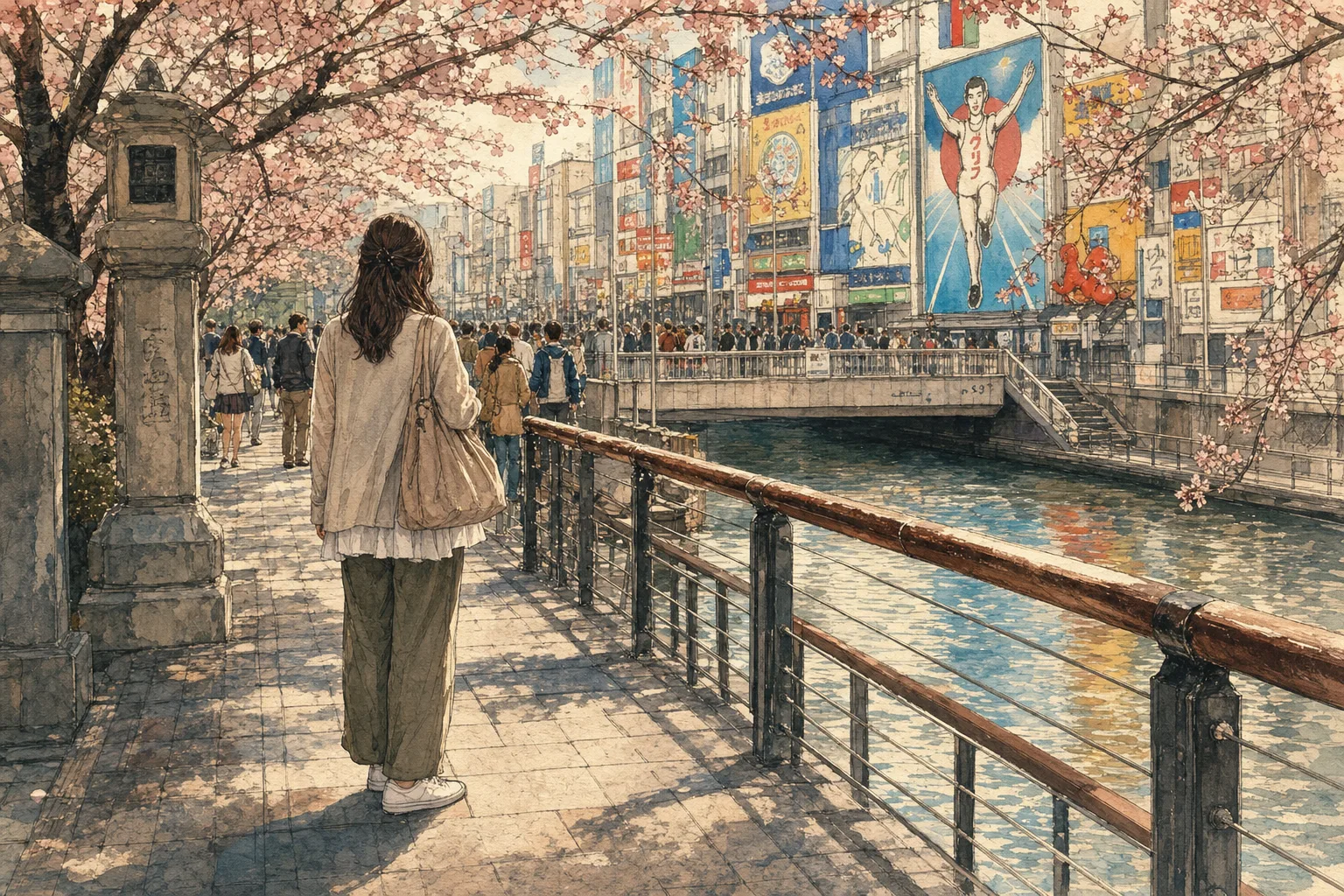
travel-decisions
Is Osaka Too Tiring for Low-Walking Travelers?
A friction-first look at whether Osaka works for low-walking, older, or slow travelers, with concrete fixes for stairs, crowds, and transit stress.
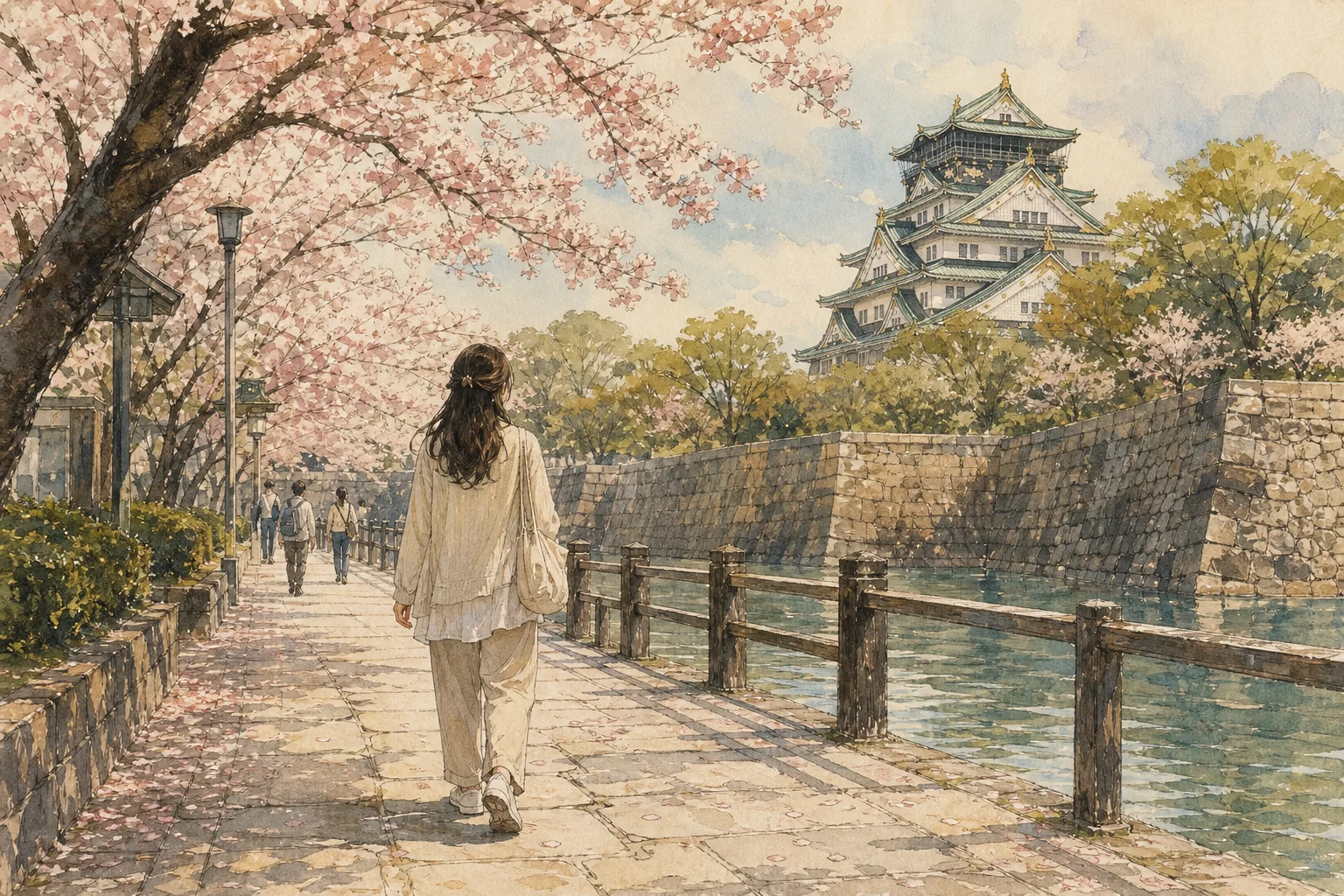
Quick Verdict
Osaka is a conditional fit for low-walking, older, or slow travelers. It is not a wheelchair-hostile city, and its sightseeing core is more compact than Tokyo's. But the daily friction is real: long transfer corridors at major stations, stair-heavy temple grounds, dense crowds in Dotonbori and Shinsaibashi, and walking distances inside parks that look short on a map.
Strong fit if you:
- Are willing to do 2 anchor sights per day instead of 4 or 5.
- Will use taxis, elevators, and on-demand buses instead of forcing every transfer.
- Travel outside peak cherry blossom weekends and Golden Week.
Weak fit if you:
- Expect to cover Osaka Castle, Umeda Sky Building, Shitennoji, and Dotonbori in a single trip on foot.
- Cannot tolerate 30+ minute station transfers or 10-minute elevator waits.
- Are sensitive to crowd pressure in narrow streets.
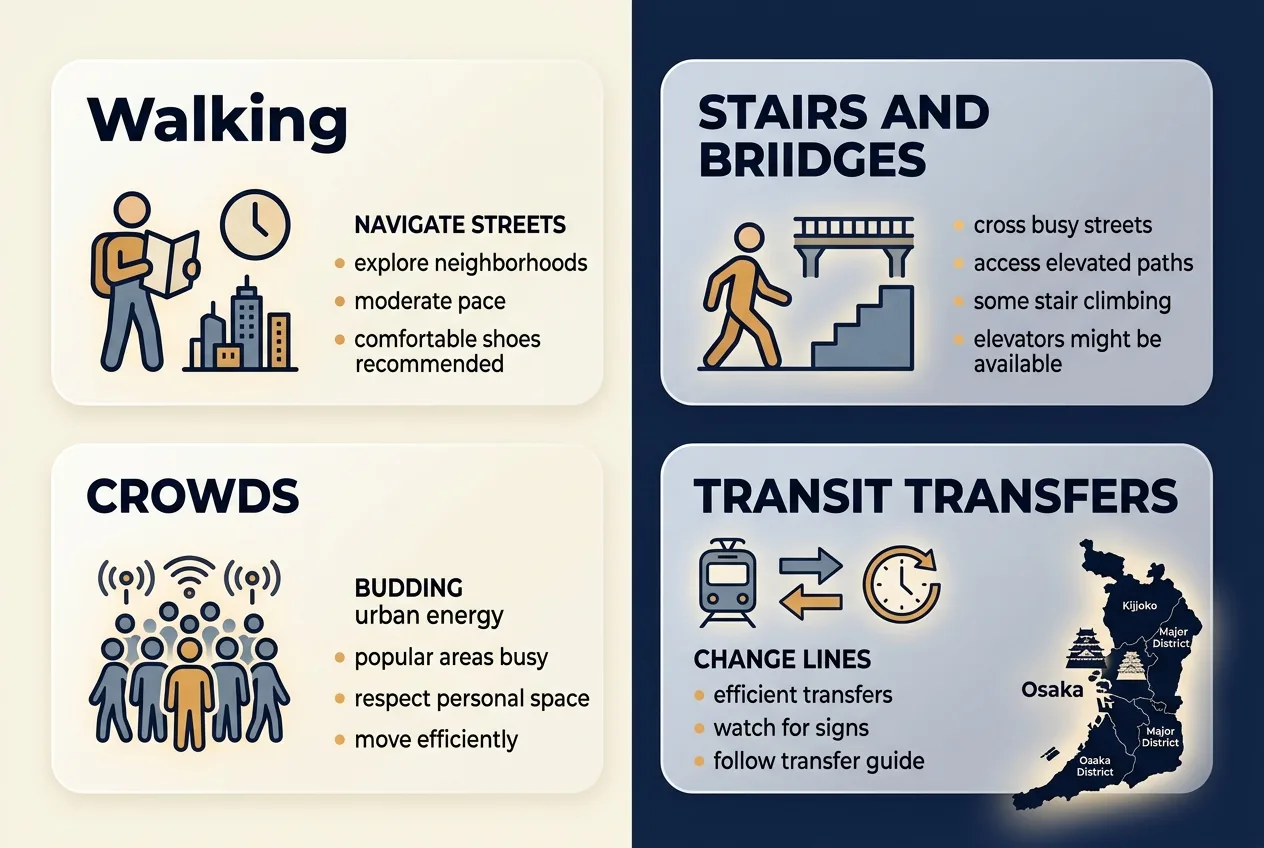 An infographic detailing Osaka travel factors: walking, stairs, crowds, and transit transfers.
The Main Friction Problem
The honest issue with Osaka for low-walking travelers is not any single obstacle. It is stacking: walking distance plus stairs plus crowd density plus station complexity, repeated several times a day.
A realistic Osaka day looks like this. You walk 5 to 10 minutes from your hotel to a station. You navigate a long underground corridor to your platform. You ride two stops, transfer once, then walk another 10 to 15 minutes to your sight, often with a slope or bridge. At the sight itself, you walk another 1 to 3 km. Then you reverse the whole thing. None of these segments is extreme on its own. Together they exceed what many low-stamina travelers can sustain for three or four days in a row.
The four specific frictions you need to plan around:
- Walking fatigue from underground station corridors and from sight-internal distances like Osaka Castle Park's 2.9 km loop.
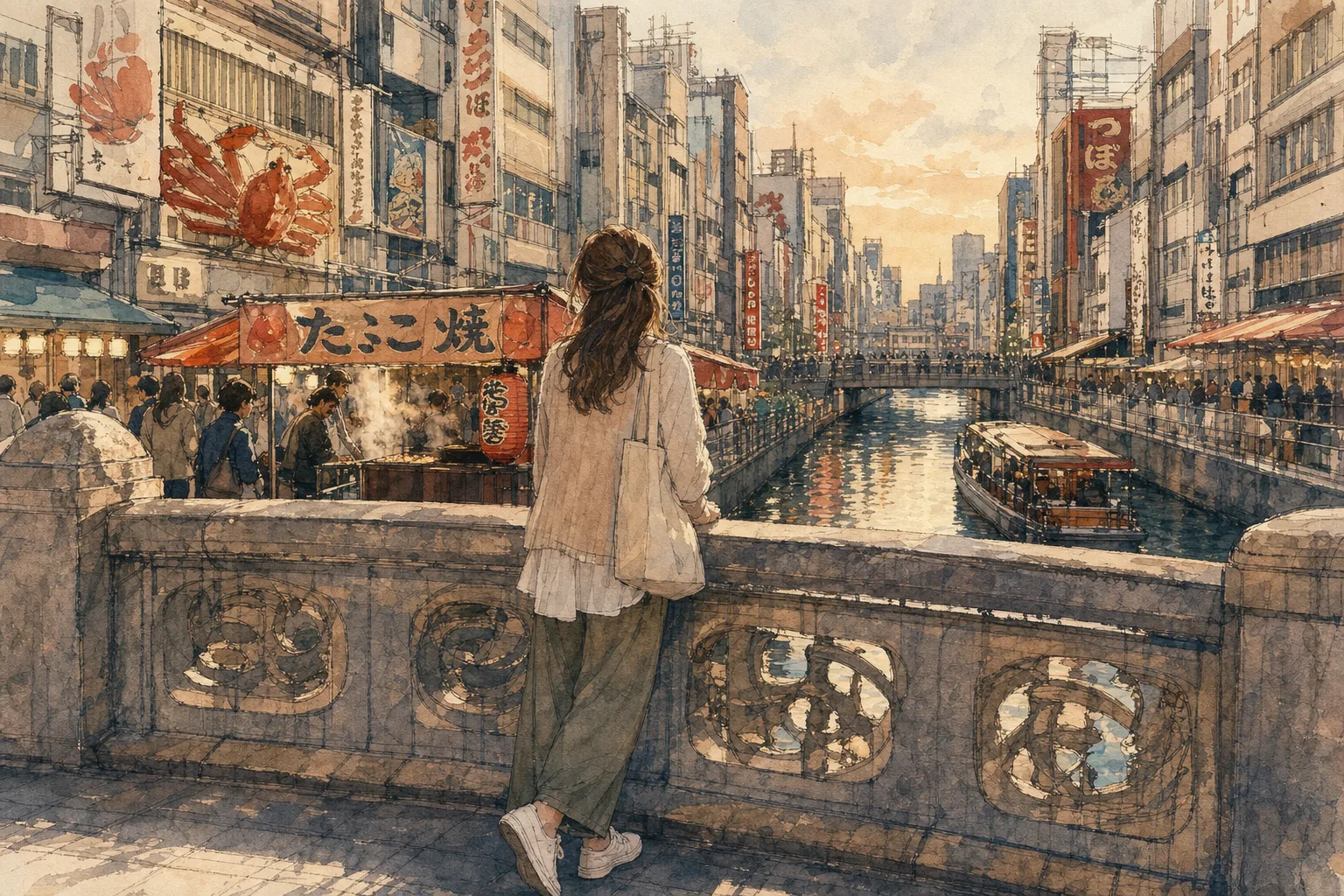
- Stairs and bridges, especially older shrines, canal crossings around Dotonbori, and some private line stations.
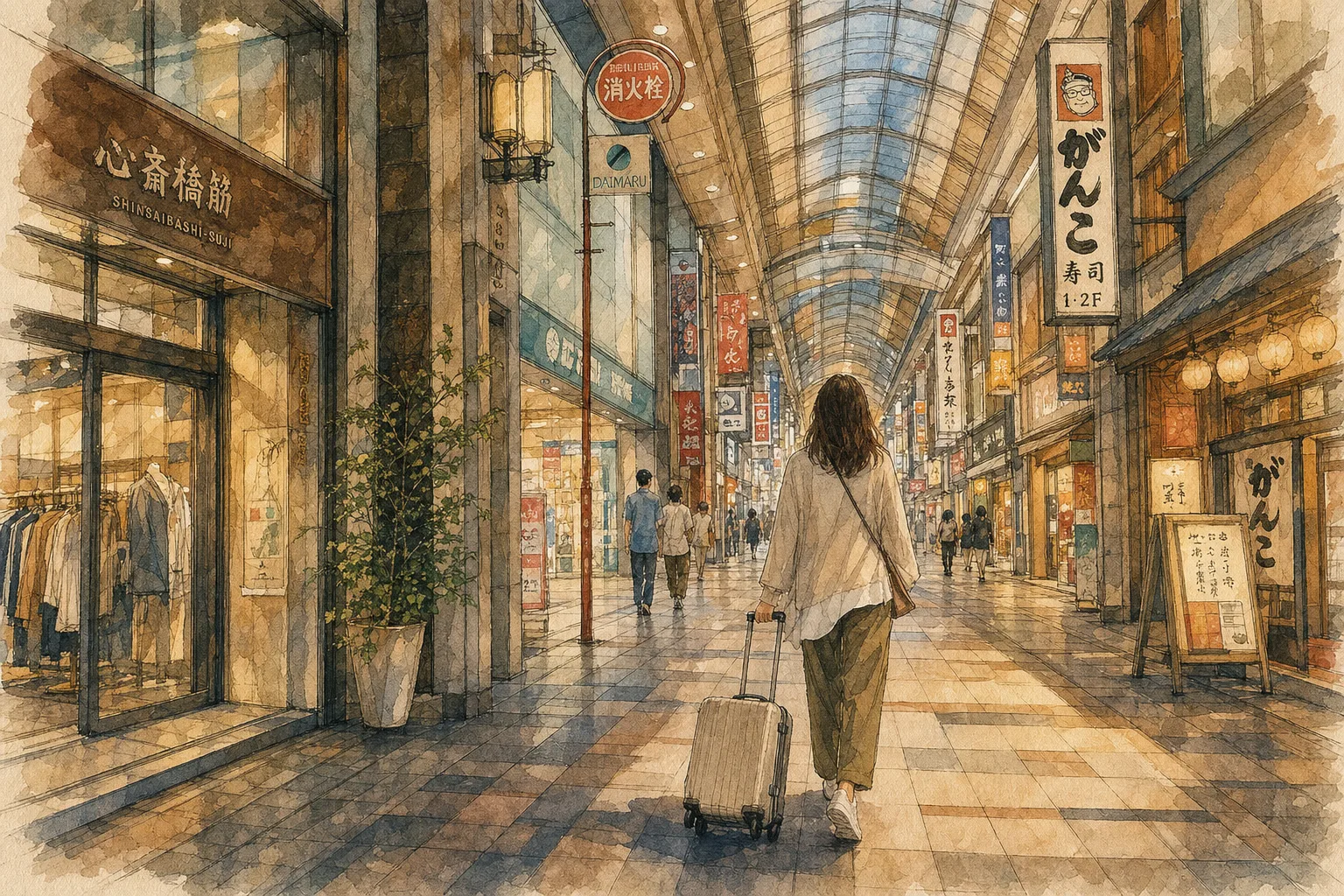
- Crowd pressure in Dotonbori, Shinsaibashi, and Umeda, which slows your pace and forces detours.
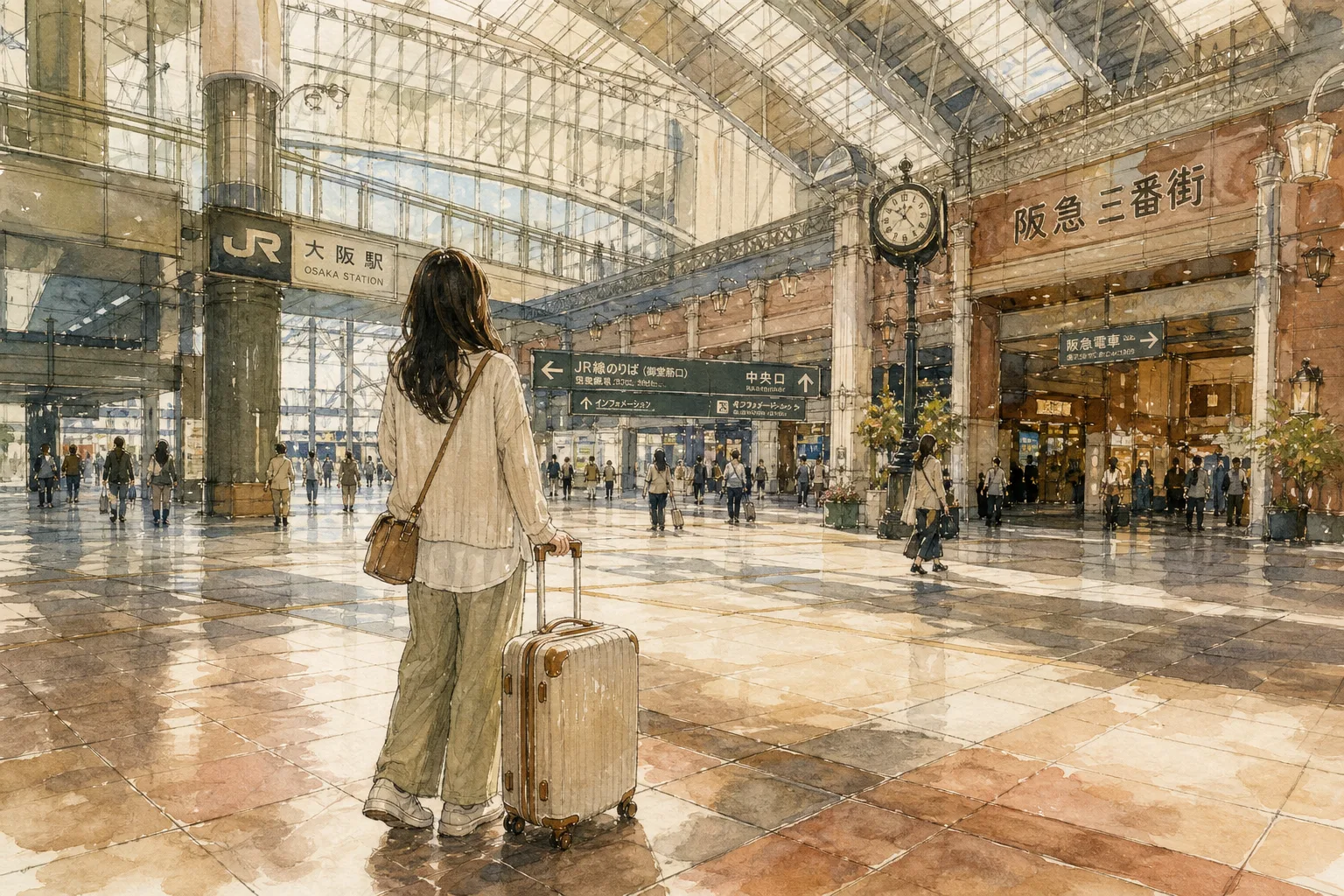
- Transit stress, especially Shin-Osaka where a single transfer can take 30 minutes or more during peak hours, with elevator waits up to 10 minutes.
Friction Table
This is where the fit actually comes from. The table below maps each friction to what Osaka specifically does well and badly.
| Friction | What Osaka does well | What still tires you out |
|---|---|---|
| Walking fatigue | Compact core, flat city center, covered arcades | Sight-internal walking (Castle Park 2.9 km loop), 10 to 15 min walks from station to sight |
| Stairs and bridges | All 133 Metro and New Tram stations have at least one elevator route to street level | Older temple grounds, canal bridges in Dotonbori, some private line transfers |
| Crowd pressure | Wide sidewalks in Umeda and around Osaka Station | Dotonbori, Shinsaibashi-suji, and Kuromon Market are dense enough to slow walking to a shuffle |
| Transit stress | Contactless Visa, Mastercard, JCB, and smartphone taps accepted on Metro, city buses, and major private lines | Shin-Osaka transfers can take 30+ min; Midosuji Line platform gaps up to 50 mm |
| Luggage strain | Same-day luggage delivery from major stations for around 1,200 to 1,800 yen per item | From January 2026, suitcases over 160 cm total are discouraged on crowded routes like the Osaka Castle Namba bus |
The pattern: Osaka's infrastructure is genuinely accommodating, but the last 10 to 15 minutes of every trip is where fatigue accumulates.
Who Will Feel It Most
Not all low-walking travelers are in the same situation. The fit depends on which part of the friction stack hits hardest.
- Travelers with knee or hip pain on stairs: Osaka is manageable if you stick to Metro stations with confirmed elevators and avoid older temple grounds. Shitennoji is reachable in a 10 to 15 minute walk from JR Tennoji, but the temple complex itself has steps. Plan to view, not climb.
- Travelers with low cardiovascular stamina: The killer is cumulative walking, not steep climbs. Osaka Castle Park's 1-hour, 2.9 km loop will end a day on its own. Treat it as a half-day commitment.
- Slow travelers who simply want fewer transitions: Osaka rewards you if you base yourself in one neighborhood (Namba, Honmachi, or near Osaka Station) and do one anchor sight per day. It punishes you if you try to sample everything.
- Older travelers using a cane or walker: Generally workable on the Metro, but avoid Shin-Osaka at rush hour, and be aware that Midosuji Line platform gaps can reach 50 mm. Smaller gaps of 0 to 15 mm on the Nagahori Tsurumi-ryokuchi Line are easier.
- Wheelchair users: Every Metro and New Tram station has at least one barrier-free route, and the Crysta Nagahori underground mall in Shinsaibashi offers public wheelchair-accessible toilets. The city is usable, but expect elevator detours.
How to Reduce the Friction
You do not have to choose between visiting Osaka and protecting your energy. You do have to plan differently than a typical guidebook itinerary.
Cut walking fatigue
- Pick one anchor sight per day. Treat anything else as optional.
- Use direct elevator access where it exists. The Umeda Sky Building, a 10-minute walk from JR Osaka Station through Umekita Park, has direct elevator access from Tower East's first floor to the 39th-floor observatory.
- Send luggage ahead. Same-day station delivery runs roughly 1,200 to 1,800 yen per item, well worth it on arrival day.
Work around stairs and bridges
- At Tanimachi 4-chome Station, use Exit 11's elevator for Osaka Castle.
- Choose Osakajokoen Station (10 to 15 minutes to the castle area) when arriving from the JR Loop Line.
- For Shitennoji, accept that the 10 to 15 minute walk from JR Tennoji is mostly flat, but the temple grounds themselves have steps.
Beat crowd pressure
- Visit Dotonbori before 11 a.m. or skip the evening entirely.
- Use covered shopping arcades (Tenjinbashisuji is long but flat) instead of street-level crowds when possible.
- Avoid weekend afternoons in Shinsaibashi.
Reduce transit stress
- Avoid Shin-Osaka transfers during morning and evening peaks if you have any other option.
- Use contactless payment (Visa, Mastercard, JCB, or smartphone tap) on Metro, city buses, and major private lines instead of buying paper tickets.
- For unfamiliar routes across the city's 24 wards, the e METRO app offers AI-powered on-demand buses you can request to your location.
- Take a taxi for the last 1 to 2 km of any tiring day. The cost is small compared to a wasted afternoon.
Better Alternatives If Osaka Is the Wrong Fit
If reading the friction table felt like a warning rather than a plan, Osaka may not be the right base for this trip. Consider:
- Kyoto, but stationary: Base in one Kyoto neighborhood near a single subway line. Kyoto has its own stair and crowd issues, but you can build a slower day around a single temple plus a long lunch.
- Kanazawa: Smaller, flatter sightseeing core, fewer crushing crowds, easier to do on foot in short bursts.
- Hakone or Kinosaki Onsen: If the underlying goal is a calm Japan trip rather than urban sightseeing, an onsen town removes nearly all of the friction stack discussed above.
- Osaka as a day trip from Kyoto: You get Dotonbori and one anchor sight without committing to multi-day urban walking.
Osaka is not the most tiring city in Japan. But if your trip will already include Tokyo or Kyoto, the marginal value of adding Osaka has to justify three more days of station corridors.
Decision Checklist
Run through this before you book Osaka as a multi-day base.
- I can comfortably walk 2 to 3 km in a single stretch with a rest after.
- I am willing to limit myself to 1 to 2 anchor sights per day.
- My hotel is within a 5-minute flat walk of a Metro station with confirmed elevator access.
- I am traveling outside cherry blossom peak weekends and Golden Week, or I have accepted the crowds.
- I will use taxis or on-demand buses for the last leg on tiring days, not push through on foot.
- I am sending luggage ahead on arrival day instead of dragging it through Shin-Osaka.
- I have at least one full rest day or half-day built into a 3 to 4 day stay.
- My suitcase is under 160 cm total dimensions, or I am avoiding crowded bus routes like the Osaka Castle Namba Line.
If you checked five or more, Osaka is workable. If you checked three or fewer, reread the alternatives section.
FAQ
Is Osaka harder to walk than Tokyo for low-stamina travelers? On a single-day basis, Osaka's core sightseeing distances are shorter than Tokyo's, but the daily total still adds up. Osaka Castle Park alone is about 2.9 km on a self-guided loop, and stations like Shin-Osaka can need 30 minutes just to transfer. Osaka is more compact, not necessarily less tiring.
Are Osaka's subway stations actually accessible? Yes in the basic sense. All 133 Osaka Metro and New Tram stations have at least one barrier-free route with an elevator from platform to street level. The harder problems are walking distance inside large stations, elevator wait times, and platform gaps that can reach up to 50 mm on the Midosuji Line.
Can I see Osaka Castle without a long walk? Partly. The closest approaches are about a 10 to 15 minute walk or roll from Osakajokoen Station, or about 15 minutes from Tanimachi 4-chome Station using the Exit 11 elevator. Reaching the keep itself adds more distance and slopes, so many low-walking travelers stop at the outer park views.
Should low-walking travelers skip Osaka entirely? Not necessarily. If you accept fewer sights per day, use taxis or on-demand buses for connectors, and avoid peak crowd windows, Osaka is workable. If you want to cover Castle, Umeda, Dotonbori, and a day trip in three days on foot, it will likely be too tiring.
Is Dotonbori manageable for someone who tires easily? Dotonbori is flat but extremely crowded, especially evenings and weekends. Crowd pressure itself drains stamina even when the distance is short. A short midafternoon visit is much easier than a full evening walk through it.