city-matchups
Osaka vs Kyoto If You Want to Enjoy the Trip More Comfortably
A comfort-first comparison of Osaka and Kyoto for couples, slow travelers, and anyone who wants the trip to feel easy instead of efficient.
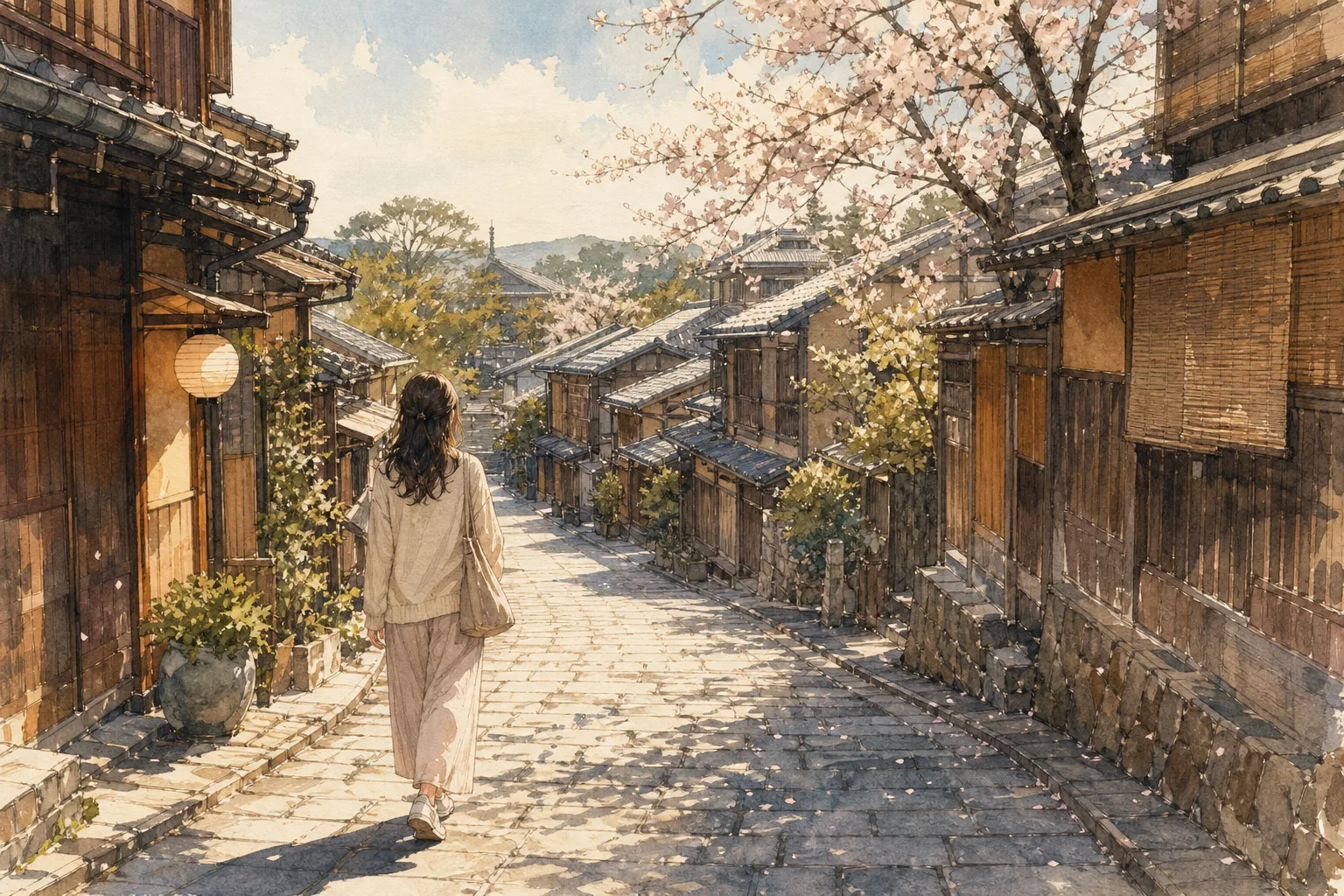
Comfort means different things in Osaka and Kyoto, and that is why this comparison so often produces shallow advice. Osaka makes comfort feel operational: easier station access, better late-night food coverage, and lower hotel costs for the same star level. Kyoto makes comfort feel atmospheric: quieter evenings, softer neighborhood mood, and a trip that asks less of your nervous system once the day starts.
The real choice is not which city is objectively easier. It is which kind of ease you are actually trying to buy. Travelers who say they want a more comfortable trip often mean calmer, not cheaper. That distinction decides this matchup.
Quick Verdict
If your top priority is how the trip feels rather than how much you cover, choose Kyoto.
Kyoto rewards the exact things comfort-led travelers care about: quieter evenings, walkable historic lanes, hotels that feel like part of the mood, and a slower daily rhythm. Osaka is a strong city, but it is built around energy, food density, and commerce. Travelers who arrive in Osaka expecting calm usually feel they paid more without getting the payoff they wanted.
Choose Kyoto if you want:
- A trip that feels restorative, not productive
- Evenings that wind down instead of revving up
- Hotel neighborhoods where the atmosphere matches the room
Skip Kyoto and choose Osaka if you want:
- Bright nightlife, street food density, and a city that hums late
- Lower hotel prices for the same star level, especially around Shin-Osaka
- A hub for day trips by Shinkansen rather than a destination to settle into
Best for First-Time Visitors
For a first-time visitor who wants the trip to feel comfortable rather than impressive, Kyoto is the safer pick. The reason is expectation management. First-timers who read "Japan trip" and picture lanterns, quiet temples, and tea houses will recognize Kyoto immediately. Osaka delivers a different Japan: loud, modern, food-led, and densely commercial. Both are real, but only one matches the picture in your head.
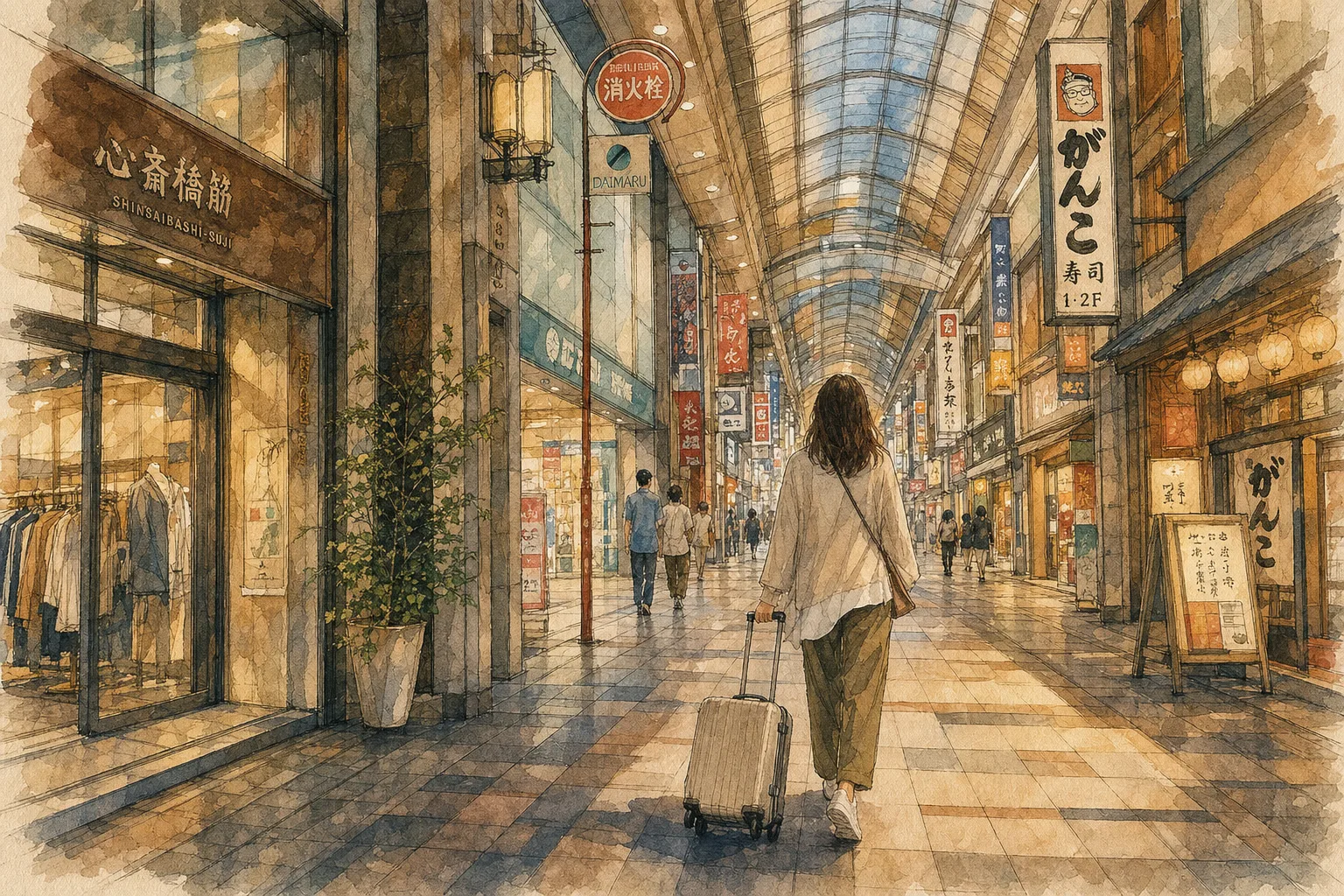
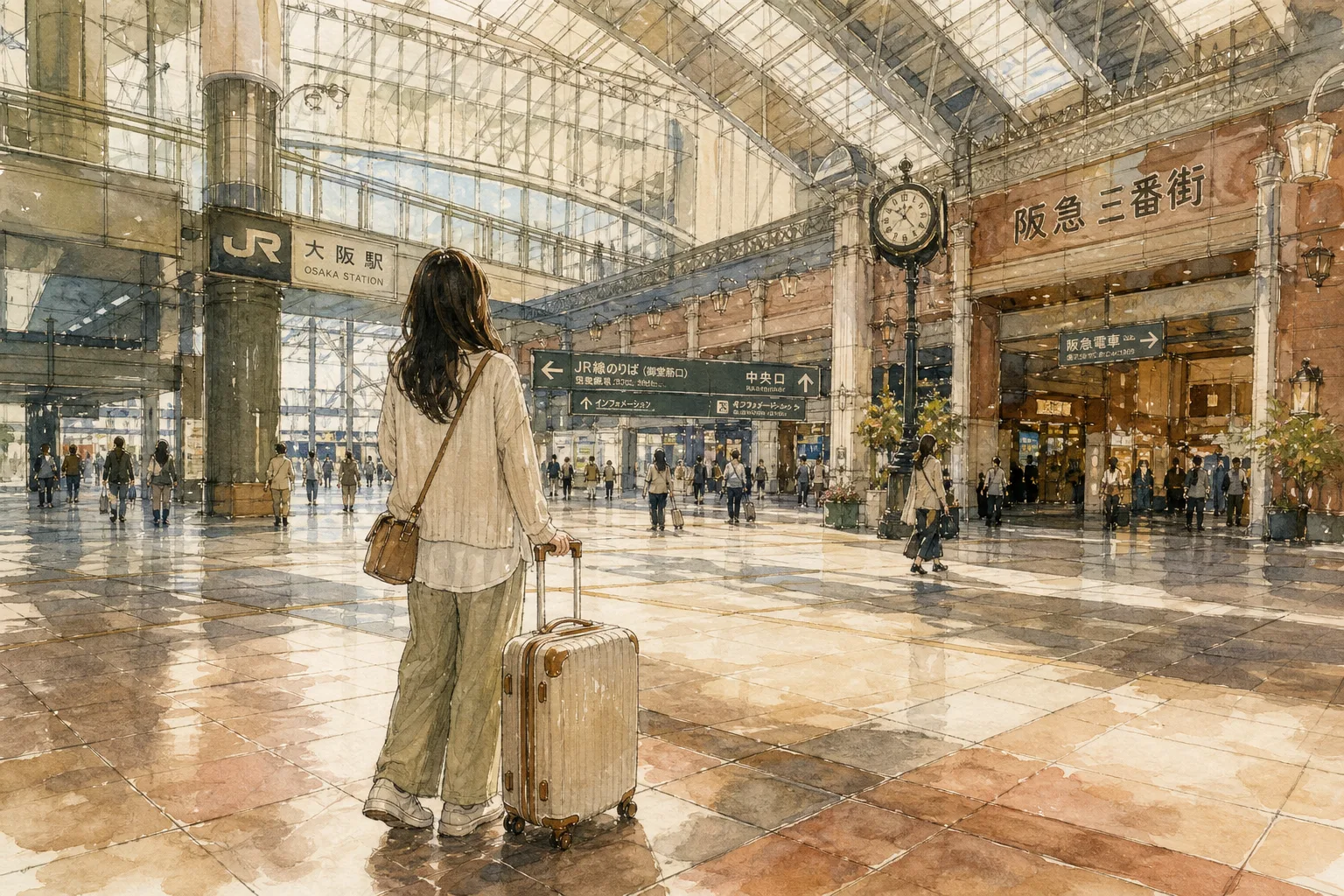
There is also a logistics layer. First-timers often underestimate Osaka's scale. Walking from Umeda to Namba is about 4.9 km and takes roughly an hour, and even "Namba Station" is not one station; the walk from Nankai Namba to JR-Namba underground can take close to 20 minutes. That is the kind of small friction that adds up when you are jet-lagged and want the trip to feel easy.
Best for Couples
Kyoto wins on couple comfort, with one exception.
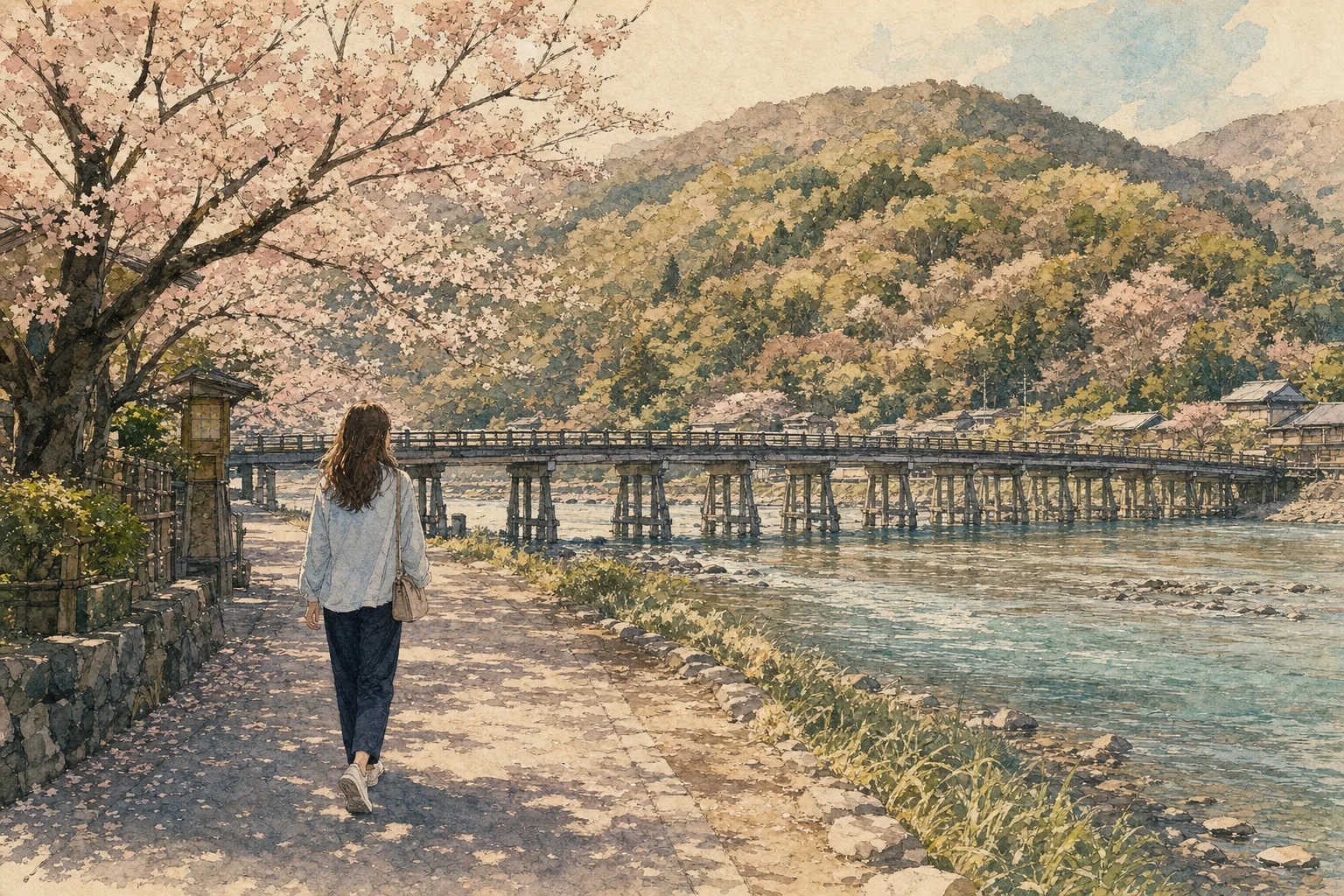
Couples tend to value three things on a trip: shared mood, easy evenings, and a hotel that feels like part of the experience. Kyoto delivers all three. A quiet ryokan-style stay, a slow walk through Higashiyama in the late afternoon, dinner that does not require shouting over a crowd: this is the texture Kyoto is good at.
The exception is couples who travel to eat and stay out late. Osaka is built for that. Dotonbori and the surrounding food streets are denser, more varied, and more open late than anything in central Kyoto. If your idea of a romantic night is grazing through a food district until midnight, choose Osaka and stay near Namba.
Best for Slow Travelers
Kyoto, clearly.
Slow travel means collecting mood instead of sights, and Kyoto's structure encourages that. Districts like Higashiyama are highly walkable, and the city's historic neighborhoods reward repeat visits at different times of day. Morning light at a temple, the same lane at dusk, a tea break in between: this is not how Osaka is laid out.
Osaka rewards a different style. It is a hub-and-spoke city. You stay in Umeda or Namba and pulse out to Kobe, Nara, Himeji, or back into Osaka's food districts. That is great for movement-led travelers, but slow travelers usually feel they are "passing through" Osaka rather than settling in.
One caveat for slow travelers in Kyoto: do not try to do all of Kyoto slowly. Pick one or two districts and live in them for two or three days. Trying to slow-walk the whole city is a contradiction.
Best for Low-Stress Travelers
Kyoto, with a deliberate hotel choice.
Low-stress travelers should pay attention to two things in this matchup: station complexity and crowd density. Osaka's multiple Namba stations and long underground walks are exactly the kind of detail that turns "we will figure it out" into a stressful first afternoon. A 2024 rule in Osaka also forbids walking on escalators, which is fine but changes the rhythm if you are used to moving briskly through transit hubs.
Kyoto's transit is not perfect either, but the city is more forgiving when you slow down. Crowds are the bigger risk. Higashiyama can be very crowded in peak seasons, and early April has been described as total chaos in central Osaka and across the region. If low stress is the goal, avoid late March to mid-April entirely. October offers comfortable 18 to 24 degree temperatures, low humidity, and noticeably fewer tourists. Winter from December to February has the best hotel deals and virtually no crowds, at the cost of shorter days.
Traveler Type Table
This is the comparison most relevant to a comfort-first decision. The rows are the variables that actually move the needle, not generic facts.
| Variable | Osaka | Kyoto |
|---|---|---|
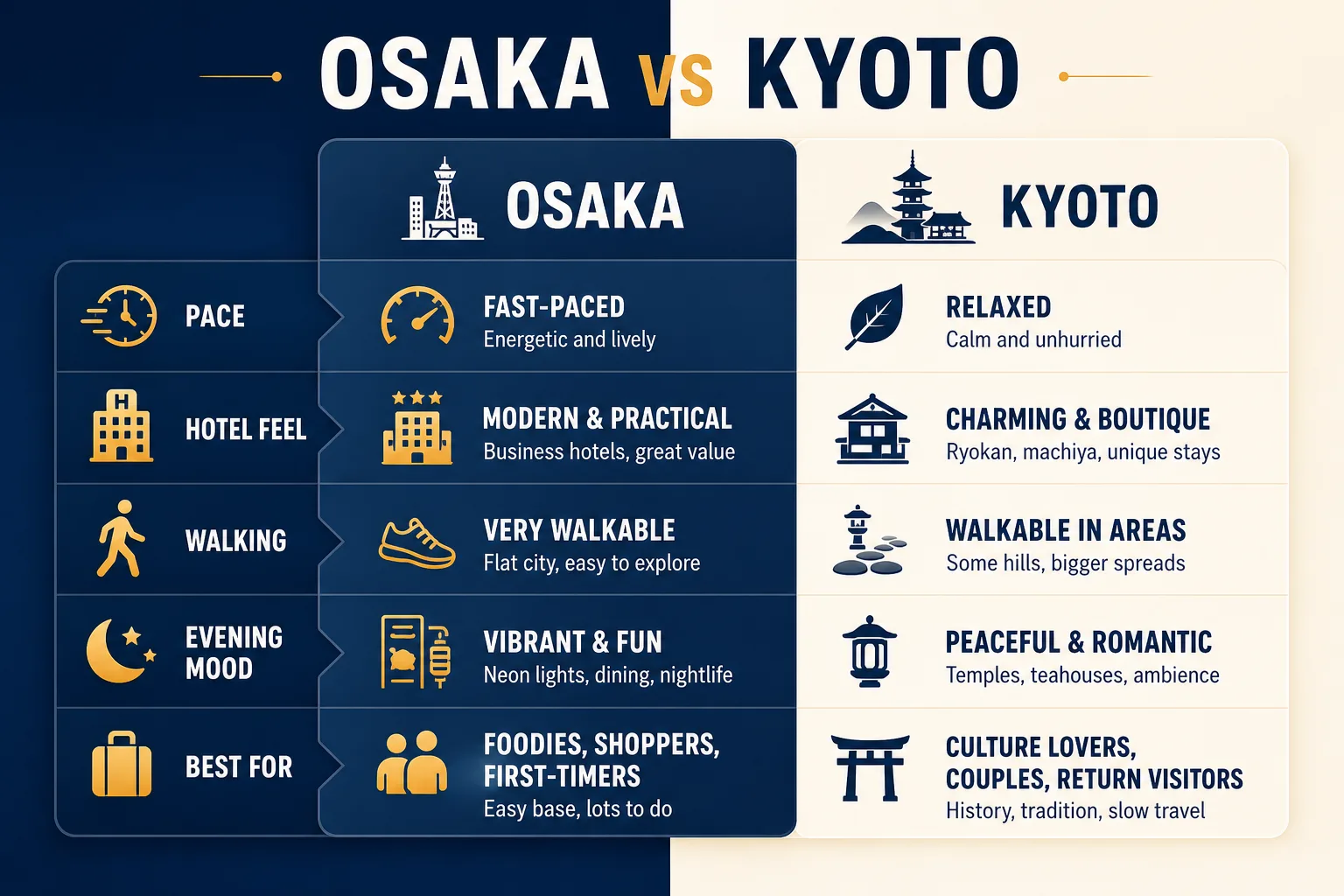
| Daily pace | Fast, commercial, food-led | Slow, district-by-district |
| Evening mood | Bright, loud, late | Quiet, early-closing, residential |
| Hotel value at same star level | Better, especially around Shin-Osaka | Higher prices for similar rooms |
| Walking comfort | Long distances between zones (Umeda to Namba about 4.9 km) | Shorter loops within historic districts |
| Station friction | High (multiple Namba stations, long underground walks) | Moderate |
| Crowd risk in peak season | Very high in Dotonbori area | Very high in Higashiyama |
| Best for couples who | Eat late and want energy | Want a slow, mood-led trip |
| Best for slow travelers who | Use it as a transit hub | Want to settle in for several days |
| Best for low-stress travelers who | Stay near Shin-Osaka and avoid spring | Pick one district per day and avoid spring |
Picking a row that matters more than the others is usually how this decision resolves. If "evening mood" and "walking comfort" are your top two rows, the answer is Kyoto. If "hotel value" and "food density" are your top two, the answer is Osaka.
Common Mismatches
The mismatch here usually starts with using one word, comfortable, for two different travel goals.
- The "calm Osaka" mismatch. Booking central Namba or Dotonbori while imagining Kyoto-level quiet. Osaka can be convenient and fun, but central Osaka is not calm by design. If you want Osaka with less sensory drag, stay around Shin-Osaka and treat the lively core as a visit zone.
- The "efficient Kyoto" mismatch. Choosing Kyoto because it looks beautiful, then trying to use it like a high-output checklist city. Kyoto punishes this immediately. The buses, crowds, and temple geography turn the trip into work before the atmosphere ever has time to pay off.
- The "split the difference" mismatch. Two nights Osaka, two nights Kyoto, with one transit day. On paper it looks balanced. In practice you spend a chunk of the trip changing hotels and never settle into either city's rhythm. Comfort-first travelers should pick one base.
- The peak-season mismatch. Booking late March or early April for the blossoms, then discovering that a mid-range central Osaka hotel has jumped from 12,000 to 15,000 yen up to 25,000 to 35,000 yen per night, and that Higashiyama is shoulder-to-shoulder. You paid more for less comfort.
- The trendy zone mismatch. Choosing a hotel in a currently trendy area because it photographs well, then realizing the neighborhood is loud at night or far from the parts of the city you actually want to walk in.
Final Match Recommendation
For travelers who care about comfort, atmosphere, and emotional payoff, the recommendation is Kyoto, with a specific shape:
- Base in one Kyoto district for at least three nights. Higashiyama or a quiet area near the Kamo River works well. Treat the hotel as part of the trip, not a place to sleep between sights.
- Avoid late March to mid-April unless cherry blossoms are the entire point. October is the most comfortable window: 18 to 24 degrees, low humidity, fewer tourists. Winter is the cheapest and least crowded.
- Build your day around two anchors, not five. A morning walk and an evening walk, with a long lunch and a slow afternoon between them. This is the rhythm Kyoto rewards.
Choose Osaka instead only if at least two of these are true:
- You want late nightlife and dense street food more than calm
- You are budget-led and want better hotel value at the same star level (Osaka averages around 78 USD per night for 3-star and 103 USD for 4-star outside peaks, with January as the cheapest month at around 153 USD average and March as the most expensive at around 271 USD)
- You plan to use the city as a Shinkansen hub for day trips rather than a destination
If neither side fits cleanly, the default for the comfort-first reader is Kyoto. The downside of choosing Kyoto and being slightly wrong is a quieter trip than you needed. The downside of choosing Osaka and being wrong is paying more for energy you did not want.
FAQ
If I only care about comfort, do I really need both Osaka and Kyoto? No. If comfort and atmosphere are your top priorities, two or three nights in Kyoto alone usually beats splitting the trip. Splitting forces an extra hotel change, an extra check-in, and a transit day, which is the opposite of comfortable.
Is Osaka actually uncomfortable, or just busier? Osaka is not uncomfortable in any objective sense. It is busier, more commercial, and more sensory. The friction comes from expectation mismatch: people arrive expecting calm and get neon, crowds, and walkable distances that quietly stretch to about an hour from Umeda to Namba.
Which city has better hotel value if I want a calm room? For a calm room near transit, Shin-Osaka tends to offer relaxed surroundings at lower prices than Namba or Umeda, and is practical for frequent bullet train users. In Kyoto, you usually pay more for the same star level, but the neighborhood mood at night is quieter, which is part of what you are buying.
When should I avoid both cities for comfort reasons? Avoid late March through mid-April if crowds drain you. Cherry blossom season pushes mid-range Osaka hotels from roughly 12,000 to 15,000 yen up to 25,000 to 35,000 yen per night, and Higashiyama in Kyoto becomes very crowded. October and winter are far calmer.
Can older travelers or anyone with foot pain handle Kyoto comfortably? Yes, but plan in shorter loops. Kyoto rewards slow walking, but Higashiyama has stairs and uneven stone lanes. Pick one district per half day, sit down often, and use taxis between districts rather than chaining buses.