travel-decisions
Should You Skip Kyoto in Peak Season If You Hate Crowds?
A decision-led guide for crowd-sensitive travelers weighing Kyoto in cherry blossom or autumn peak. Who regrets it, who still thrives, and how to make it bearable.
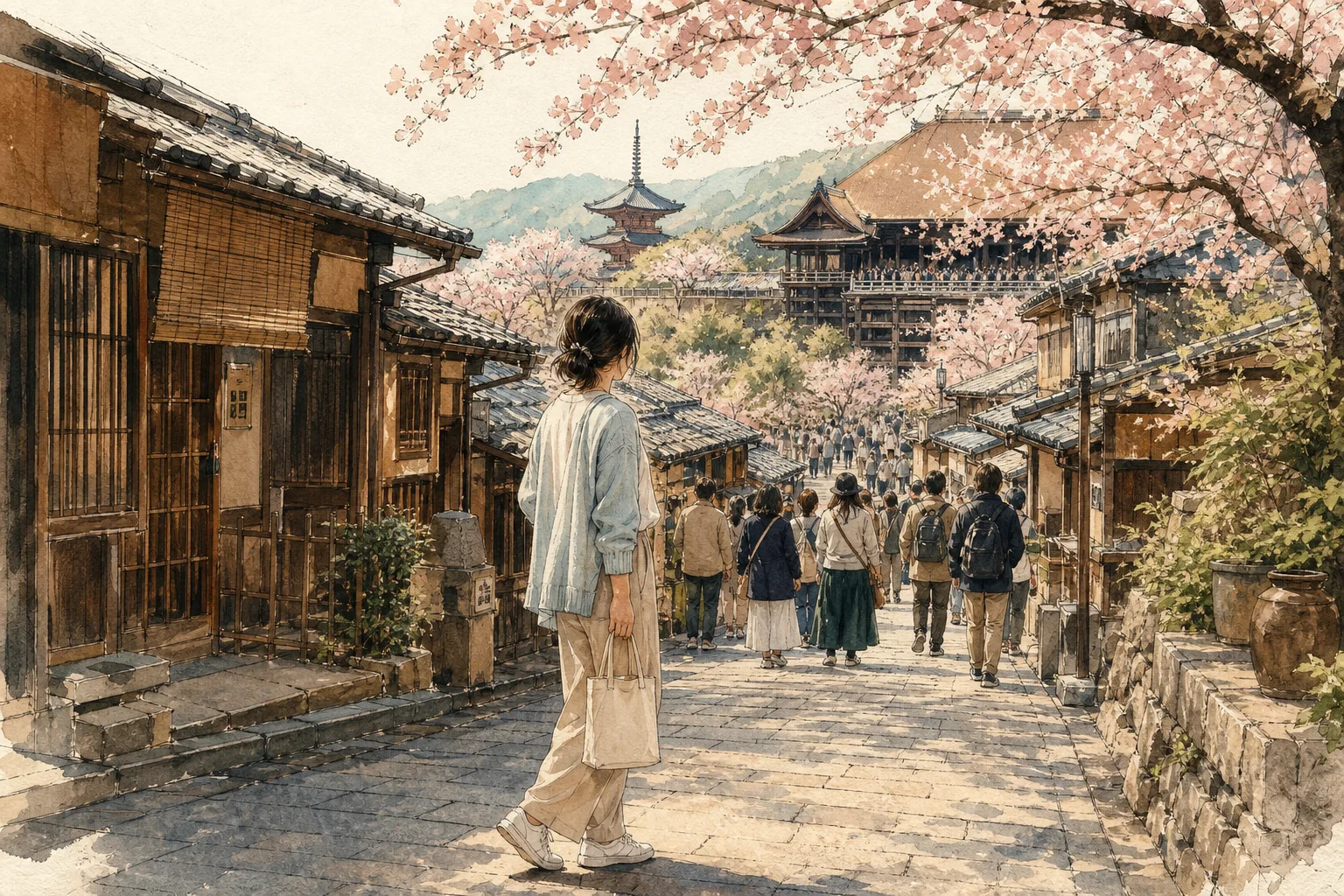
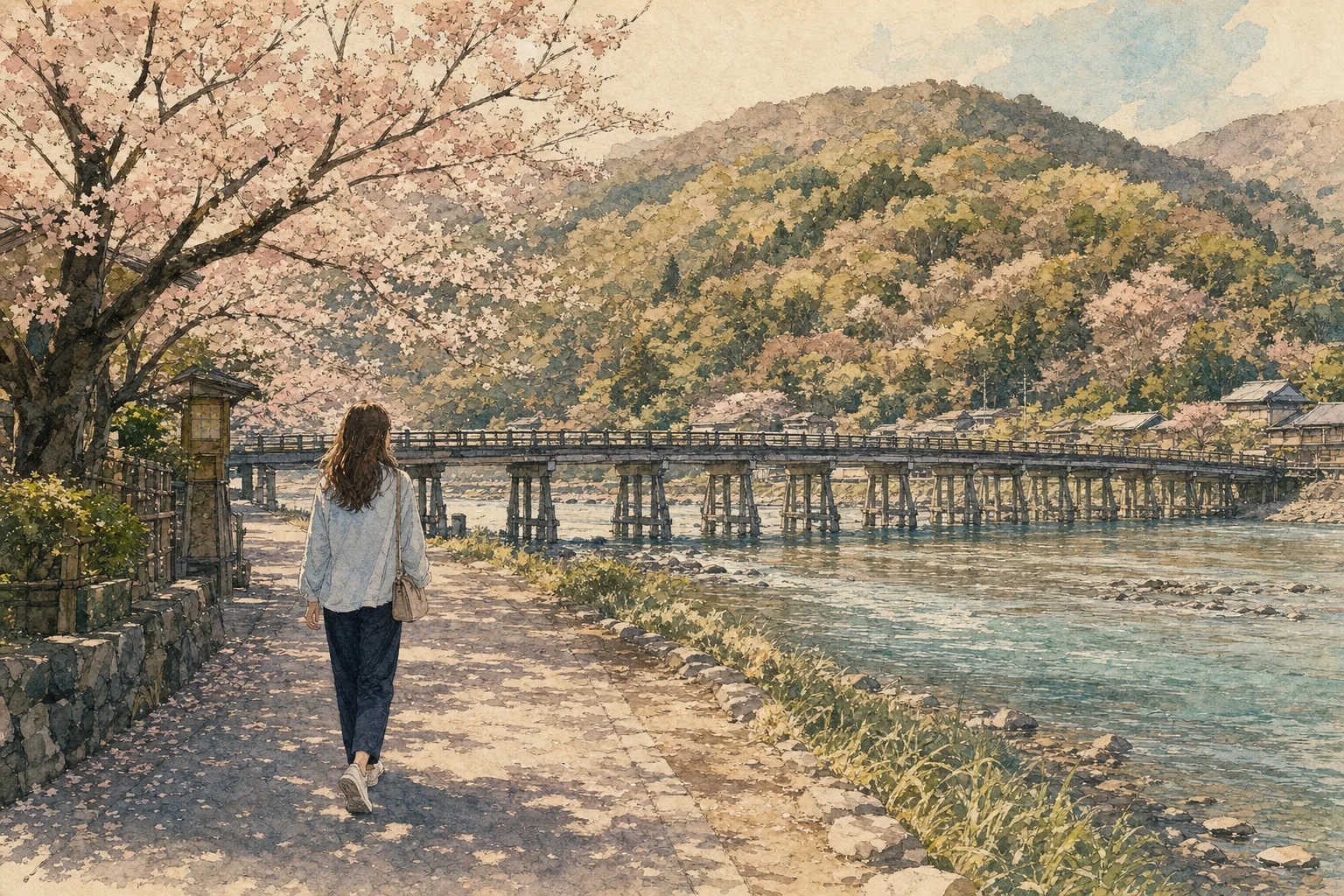
Kyoto in peak season is one of the most photographed travel experiences in the world, and also one of the most quietly regretted. The city does not stop being beautiful when 40,000 other people show up to see the same blossoms. It just stops being the trip many crowd-sensitive travelers were imagining when they booked.
This guide is not about whether Kyoto is worth visiting. It is about whether you, specifically, should commit your one big trip to peak cherry blossom week or peak autumn foliage week, given that you already know you do not handle crowds well.
Quick Verdict
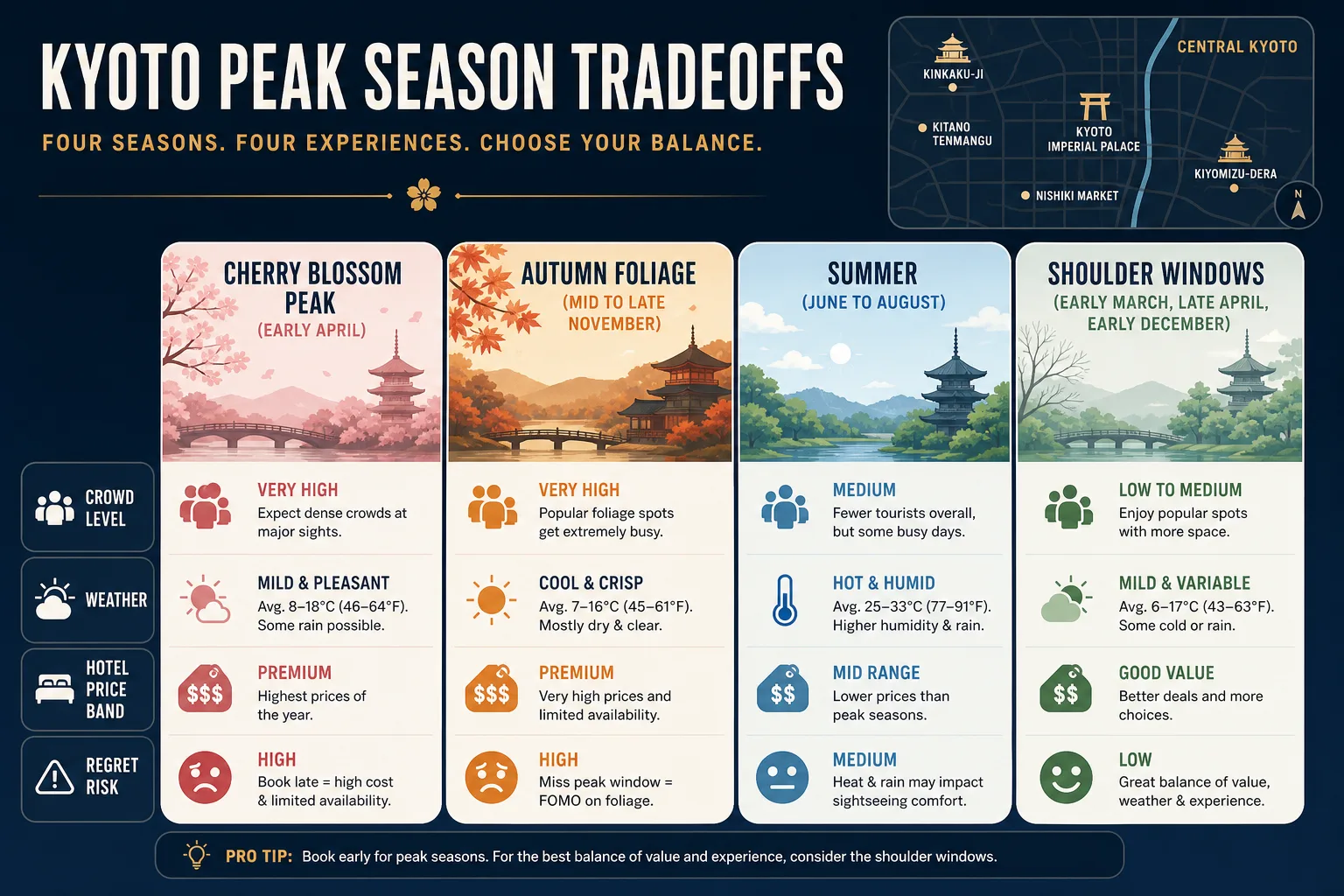
If you genuinely hate crowds, heat, and queues, you should not build your Kyoto trip around peak cherry blossom (late March to mid-April, with the heaviest pressure roughly April 1 to 7) or peak autumn foliage (mid to late November). The regret pattern is consistent: people pay premium hotel rates, then spend the trip frustrated that they cannot enjoy what they came for.
Choose peak season Kyoto if: you accept that crowds are part of the experience, you can wake up at 5 a.m. several days in a row, and the specific look of cherry blossoms or autumn maples is the entire reason for the trip.
Skip peak season Kyoto if: you tire easily in dense crowds, you are traveling with someone who has mobility limits, you are coming in summer and underestimate the humidity, or you want temples to feel contemplative rather than processional.
Who Will Probably Love Kyoto in Peak Season
Some crowd-sensitive travelers still thrive here. The pattern tends to be:
- You are an early riser by nature and genuinely enjoy 5:30 a.m. starts.
- You came specifically for the cherry blossom or autumn maple aesthetic and accept the cost.
- You are staying 6 to 9 nights, not 3, so you can afford slow mornings and quiet neighborhood days.
- You are willing to spend on a well-located central hotel, knowing mid-range rates run 150 to 300 USD per night and the cheap options will eat hours in transit.
- You treat the famous sights as one slice of the trip, not the spine of it.
If three or more of those describe you, peak season can still work. You will trade comfort for atmosphere, knowingly.
Who Might Regret It
The wrong-fit pattern is more common than the right-fit one. You are likely to regret booking Kyoto in peak season if:
- You are a low-stress planner who wants the trip to feel easy and businesslike.
- You have foot or joint pain, or you tire on long walking days.
- You are traveling as a family with a stroller and assumed buses would handle it.
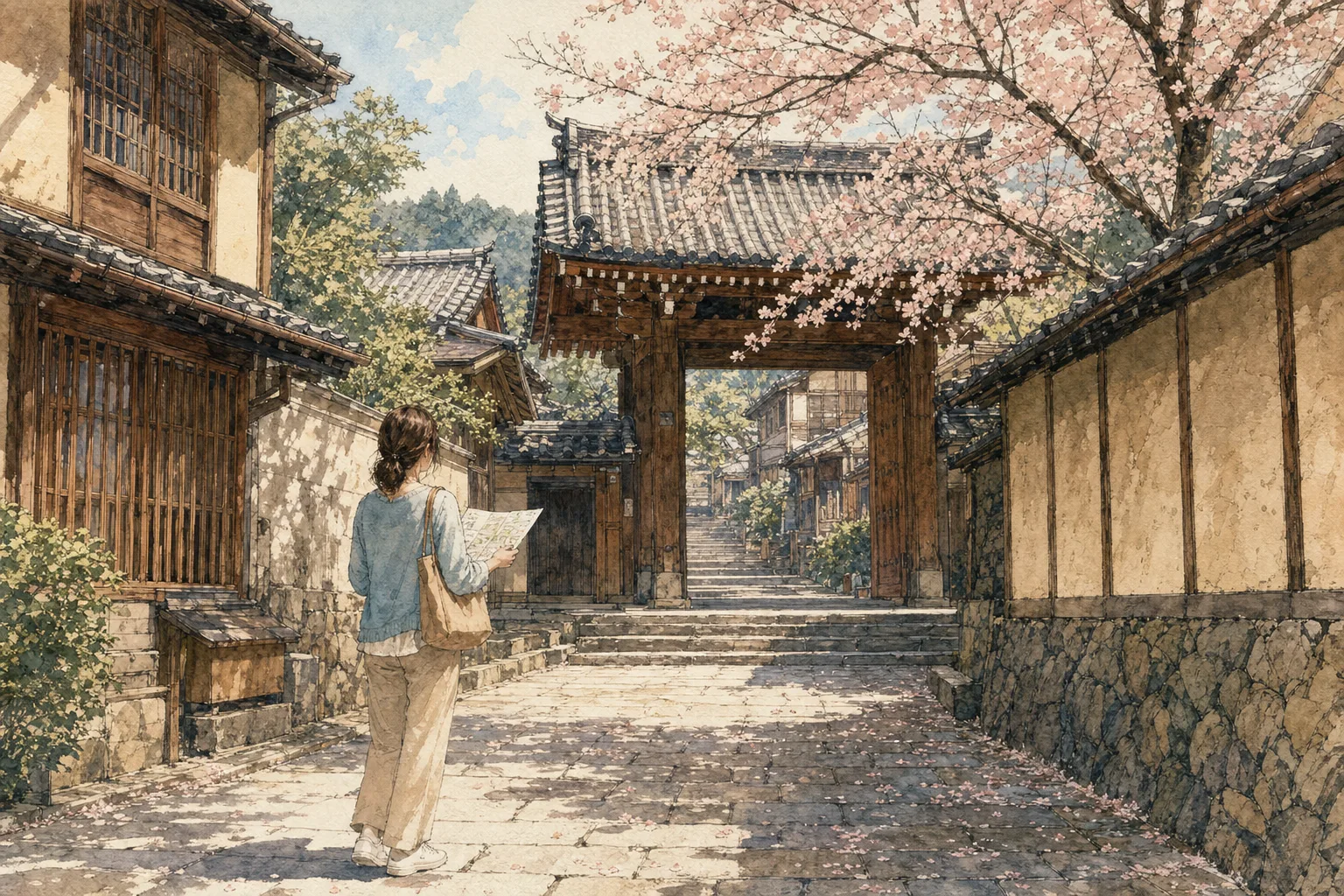
- You expect Gion to feel like a quiet historic district at golden hour.
- You are visiting in summer (June to August) and have not lived through Japanese humidity before.
The specific disappointment risk is sharp. You spent a year imagining a tranquil temple at dusk, and what you got was a slow shuffle behind a tour group, a 40 minute wait to enter, and a transit ride back where you could not put your suitcase anywhere.
Mistake and Consequence Table
These are the decisions where crowd-sensitive travelers most often lose the trip.
| Decision | The Mistake | The Real Consequence |
|---|---|---|
| Travel dates | Booking April 1 to 7 because that is when the blossoms peak | Hotel rates at the top of the 150 to 300 USD band, queues at every headline temple, the walk from Kiyomizu-dera to Yasaka Shrine taking 1 to 2 hours instead of the usual 26 to 30 minutes |
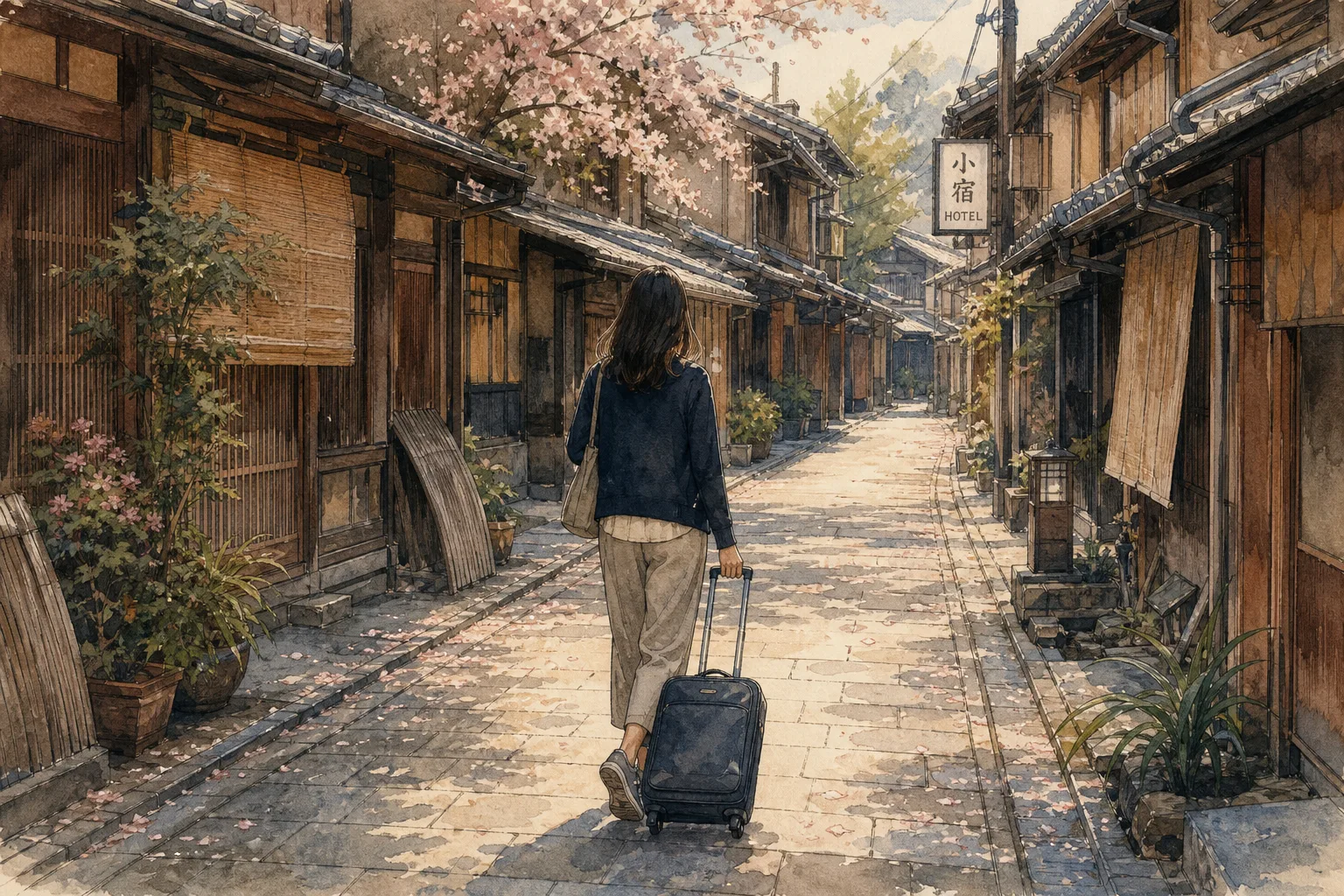
| Hotel location | Choosing a cheaper hotel outside the central wards to save money | Long bus or train rides each direction, fatigue stacking by day 3, less willingness to do early mornings |
| Transit plan | Assuming city buses will be fine with your suitcase | Large suitcases are discouraged or banned on standard municipal buses; you end up either dragging it or paying for luggage forwarding from Kyoto Station |
| Daily pacing | Stacking Fushimi Inari, Arashiyama, and Higashiyama in one day | Crowd fatigue by 2 p.m., heat exhaustion in summer, skipped dinner reservation |
| Gion expectations | Planning to wander the old alleys at twilight | As of April 2024, private alleys in Southern Gionmachi are off-limits to tourists with a 10,000 yen fine; only Hanamikoji Street and other public streets remain open, and they are dense in peak season |
| Summer assumption | Treating June to August as a quiet shoulder | August highs of 31 to 32 C with 66 to 79 percent humidity make midday sightseeing genuinely punishing |
Hidden Friction Points You Will Underestimate
Crowds compound across the day. You can survive one crowded temple. You will struggle when the temple, the lane between temples, the bus to the next neighborhood, and the dinner street are all crowded in sequence. By 4 p.m. you are not tired from walking, you are tired from people.
Heat in summer is structural, not just uncomfortable. Kyoto sits in a basin. There is little breeze. Humidity above 70 percent means your sweat does not evaporate. Crowd-sensitive travelers who picked summer to avoid blossom crowds often end up more miserable than they would have been in April.
Queues are not just at the entrance. Peak season queues happen at coin lockers, at famous matcha cafes, at konbini near sights, at taxi stands at night, and at the JR luggage counter at Kyoto Station. Each is small. Together they eat 90 minutes a day.
Fatigue from short transit hops. The walking route from Higashiyama Subway Station to Kiyomizu-dera is 2.4 km and takes 40 to 45 minutes of continuous walking. It sounds short on a map. In peak crowds, uphill, with no shade, it is not short.
How to Make It Easier If You Are Going Anyway
If you have already booked, or you accept the tradeoff, these moves genuinely reduce regret.
- Use the Sightseeing Limited Express Bus routes EX100 and EX101, launched in June 2024 from Kyoto Station, on weekends and holidays. Single fare is 500 yen, and it is covered by the 1,100 yen single-day transport pass.
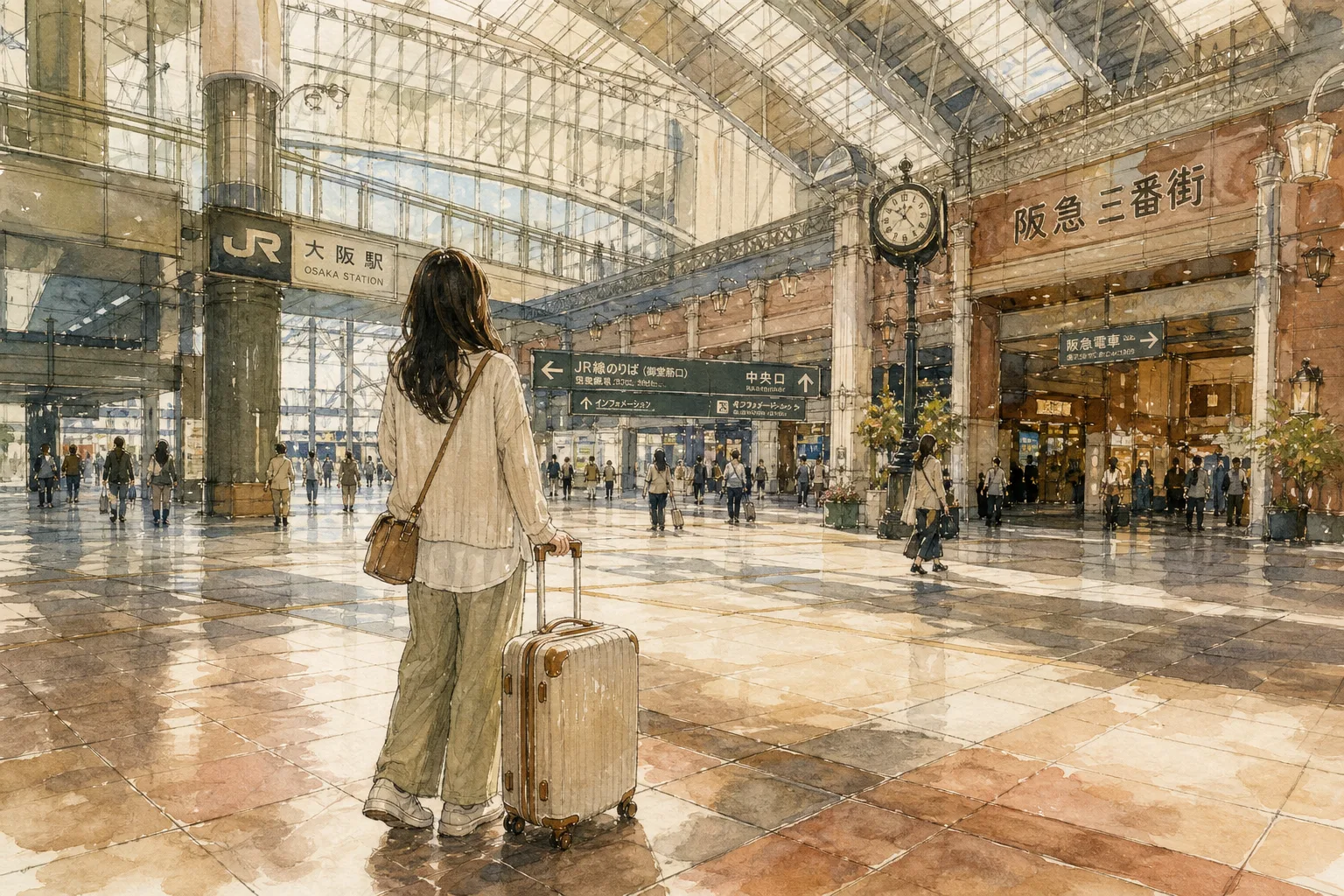
- Forward your suitcase from Kyoto Station to your hotel on arrival day and back to the airport at the end. Do not drag it on a city bus.
- Be at one major sight by 6:30 to 7 a.m., then accept the rest of the day will be crowded and plan low-intensity neighborhood time instead.
- For summer, build the day around indoor or shaded breaks: a morning sight, a long lunch, a museum or a covered shopping arcade in the afternoon, a riverside dinner.
- Try kawadoko dining in Kibune, where restaurants set low wooden platforms directly over the flowing river to keep diners cool. It is one of the few summer experiences that actually rewards the heat.
- Avoid stacking Arashiyama and Fushimi Inari in the same day. Each one is its own commute and its own crowd load.
- Be aware that Kyoto's mayor has proposed a two-tier bus fare system by fiscal year 2027, raising tourist fares to 350 to 400 yen per ride while lowering resident fares to 200 yen. This may shift the math on bus passes in coming years.
Better Alternatives If You Are the Wrong Fit
If the friction list above made you tired just reading it, here are the redirects that tend to work for crowd-sensitive travelers.
- Shift the date, keep the city. Early March before the blossom rush, late April after the petals fall, or early December after autumn foliage ends. You give up the headline scenery but keep almost everything else with far thinner crowds and softer hotel prices.
- Use Kyoto as a day trip from Osaka. Sleep in a quieter Osaka neighborhood, enter Kyoto early, leave by mid-afternoon when the crowd peaks. This works especially well for first-timers who want to see the city without committing the whole trip to it.
- Pick a different Japan trip entirely. Kanazawa, Takayama, the Kiso Valley, or the Setouchi islands deliver the slow, atmospheric, traditional Japan that most peak-season Kyoto visitors thought they were buying.
- Go in winter. Daylight is short and evenings are quiet, which is its own tradeoff, but the crowds collapse and the temples become contemplative again.
Self-Checklist Before You Book
Run through this honestly. Three or more no answers is a strong signal to shift dates or destination.
- I can comfortably wake up at 5 a.m. on at least 4 days of the trip.
- I am okay paying 150 to 300 USD per night for a central hotel rather than commuting.
- I have at least 5 nights in Kyoto, not 2 or 3.
- I am not traveling with anyone who has mobility limits, stroller logistics, or low heat tolerance.
- I have a luggage forwarding plan and am not planning to use city buses with a large suitcase.
- I am realistic about the crowd density I can handle for 4 to 6 consecutive hours per day.
- I have removed any day-and-night stacking (Fushimi Inari, Arashiyama, Higashiyama, and a long dinner all in one day).
- I have a luggage forwarding plan for arrival at Kyoto Station.
If you cannot check most of these, the regret risk is high enough that shifting to a shoulder-season visit, a day-trip structure from Osaka, or a different region altogether is likely to give you more of what you actually came for.
FAQ
Is Kyoto in cherry blossom season really that crowded? Yes. The peak runs roughly late March to mid-April, usually concentrated around April 1 to 7. Central hotels sell out 6 to 12 months ahead, and headline sights like Kiyomizu-dera and Arashiyama see continuous crowd pressure from morning through late afternoon.
Is summer a quieter alternative for Kyoto? Summer is less crowded than cherry blossom or autumn weeks, but it brings a different kind of fatigue. August daily highs run 31 to 32 degrees Celsius (88 to 90 Fahrenheit) with humidity between 66 and 79 percent, which can be harder on low-stamina travelers than the crowds themselves.
Can I just go very early in the morning to avoid crowds? Partly. Arriving at Kiyomizu-dera, Fushimi Inari, or the Arashiyama bamboo path before 7 a.m. genuinely helps. But once you leave that one early window, peak-season crowds return for the rest of the day, including transit and dinner streets.
Are there walking shortcuts to skip the worst alleys? Some, but be careful. As of April 2024, Kyoto banned tourists from entering private alleys in Southern Gionmachi, with violations carrying a 10,000 yen fine. The main Hanamikoji Street stays open. The pedestrian walk from Kiyomizu-dera to Yasaka Shrine is about 1.3 km and takes 26 to 30 minutes in calm conditions but 1 to 2 hours in peak crowds.
If I skip peak season, when is the best low-regret window? Early March before the cherry blossom rush, late April after the petals fall, and early December after autumn foliage ends are the strongest low-crowd windows. You lose the postcard scenery but keep the temples, food, and neighborhoods with far less queue pressure.